Introduction:
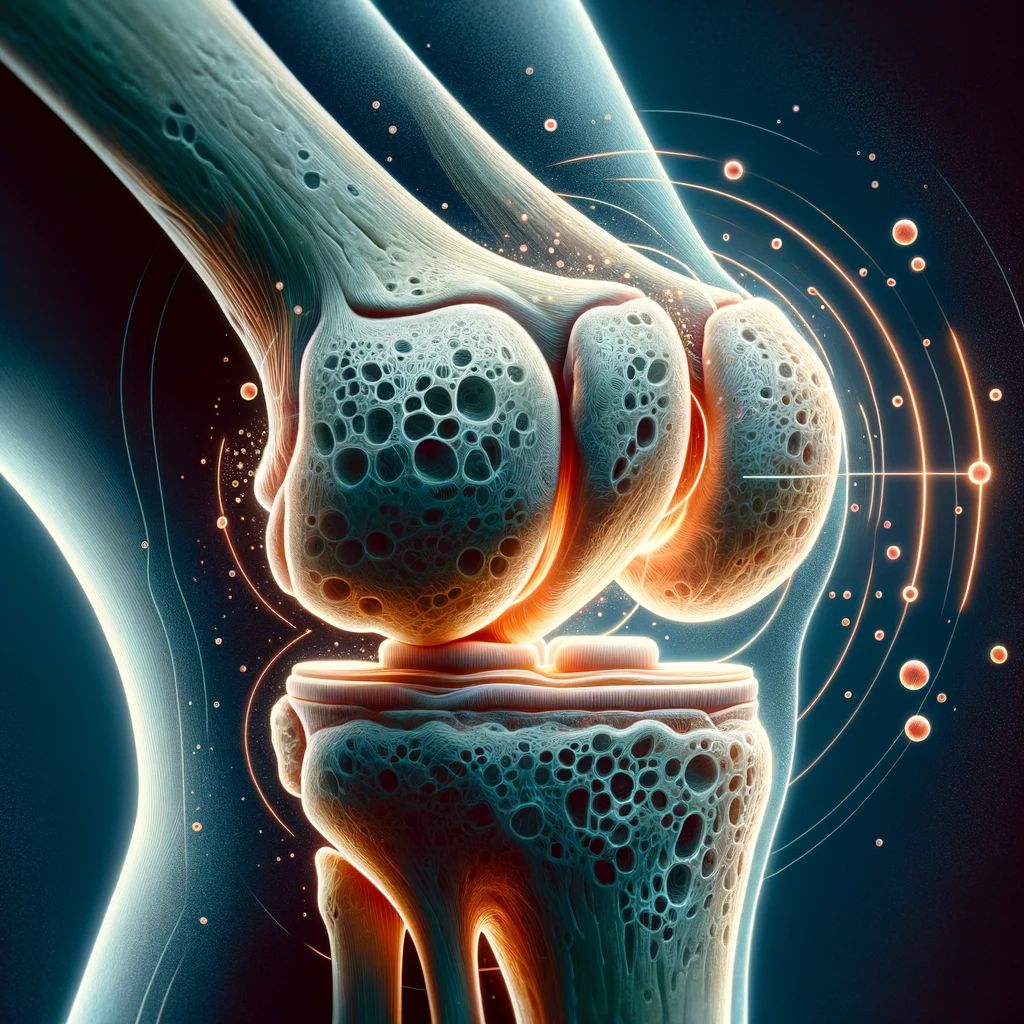
Osteoarthritis (OA) is a degenerative joint disease that affects millions worldwide. Characterized by the breakdown of joint cartilage, OA leads to pain, stiffness, and decreased mobility. Although there is no cure, a multifaceted approach to management can significantly improve quality of life. This blog explores the various strategies to manage osteoarthritis effectively.
Non-Pharmacological Approaches:
Exercise and Physical Activity:
Regular physical activity is crucial in managing OA. Exercises like swimming, cycling, and walking can improve joint function and reduce pain. Strength training and flexibility exercises also play a significant role in maintaining joint health.
Weight Management:
Reducing body weight can decrease joint stress, particularly on weight-bearing joints such as the knees and hips. Even a small amount of weight loss can significantly impact pain relief and function.
Physical Therapy:
Customized physical therapy programs can enhance joint flexibility, strengthen muscles around the joints, and improve overall mobility.
Assistive Devices:
Tools like braces, orthotics, canes, and walkers can help reduce pain and improve function by taking pressure off affected joints.
Pharmacological Treatments:
Pain Relief Medications:
Over-the-counter pain relievers like acetaminophen and NSAIDs (ibuprofen, naproxen) can be used to manage pain. For more severe pain, stronger medications, including opioids, may be prescribed with caution due to their potential for addiction.
Topical Agents:
Creams and gels containing medications such as capsaicin or NSAIDs can be applied directly to the joints for pain relief.
Supplements and Alternative Remedies:
Natural Supplements:
Glucosamine and chondroitin are popular supplements believed to aid in cartilage health, though scientific results are mixed. Omega-3 fatty acids and herbal supplements like turmeric and ginger are known for their anti-inflammatory properties.
Piascledine:
Derived from avocado and soybean oils, this supplement has shown potential in reducing inflammation and pain associated with joint diseases.
Advanced Therapeutic Options:
Injection Therapies:
Intra-articular injections, such as corticosteroids and hyaluronic acid, can provide temporary pain relief and improved mobility. PRP (Platelet-Rich Plasma) therapy uses the patient’s own blood components to promote healing.
Regenerative Medicine:
Stem cell therapies, including intravenous mesenchymal stem cell treatments, are exploring the potential to regenerate damaged cartilage and reduce inflammation. Secretome therapy, involving the injection of cellular secreted proteins, may also support tissue regeneration.
Surgical Interventions:
For those with severe OA not responsive to other treatments, surgical options such as arthroscopy, osteotomy, or joint replacement may be considered to restore function and relieve pain.
Conclusion:
Managing osteoarthritis requires a personalized approach, combining lifestyle adjustments, medication, therapy, and possibly surgery. It’s essential to work with healthcare providers to create a management plan tailored to individual needs and conditions.
Call to Action:
If you or someone you know is struggling with osteoarthritis, reach out to healthcare professionals for a personalized treatment plan. Early and proactive management can make a significant difference in quality of life.
 Dr Teoh - Family Medicine Specialist, Stem Cell & Immune Therapy