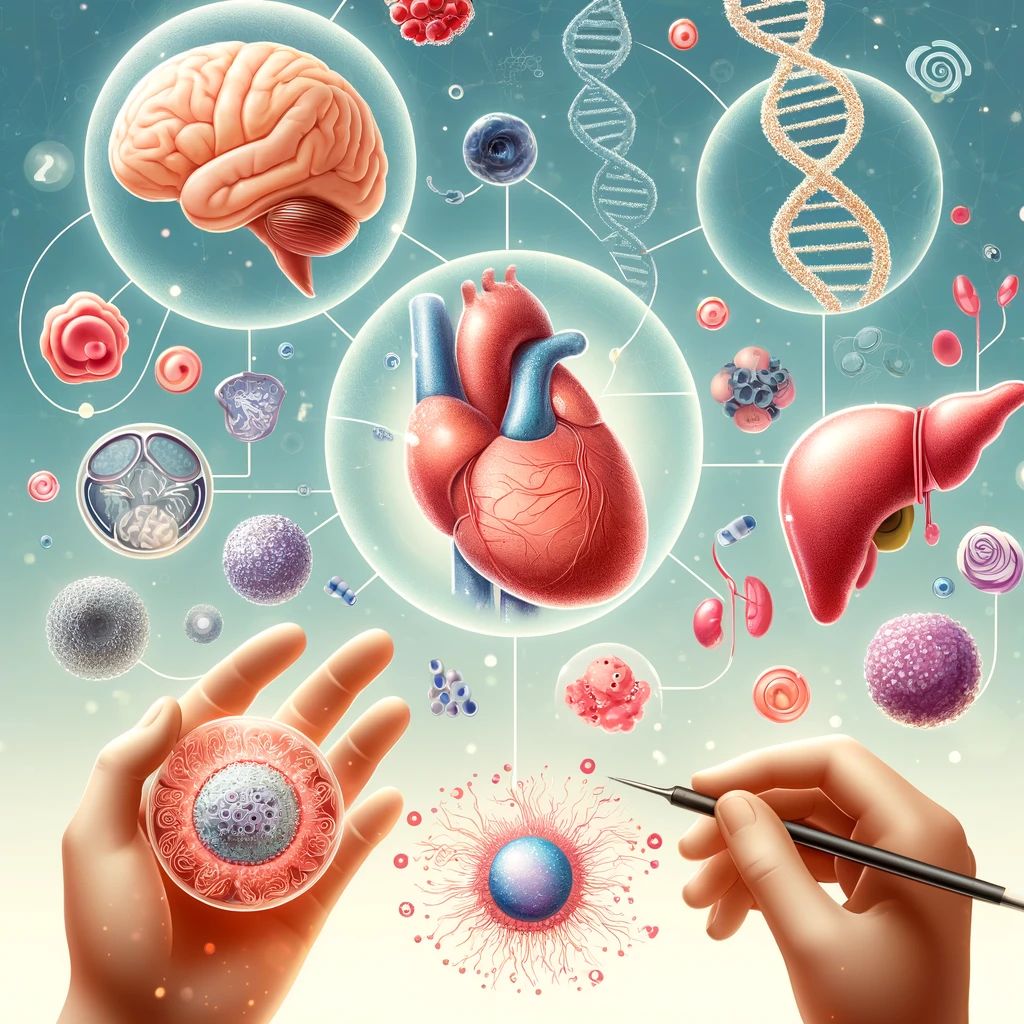
Introduction:
Welcome to a journey into one of the most promising frontiers of medical science—stem cell technology. Beyond their known applications in beauty and anti-aging, stem cells hold unprecedented promise for treating and potentially curing a myriad of serious health conditions. This article explores the innovative uses of stem cells in medicine, emphasizing the need for professional oversight and ethical practices.
The Science Behind Stem Cells:
Stem cells are unique in that they can develop into different types of cells in the body, a property that makes them indispensable in regenerative medicine. These cells are sourced primarily from two places: embryonic stem cells from early-stage embryos and adult stem cells from adult tissues. Each type has its potential and limitations, driving a vast amount of research focused on harnessing their regenerative powers.
Breakthrough Medical Applications of Stem Cells:
- Neurological Repair:
Stem cells offer a beacon of hope for neurodegenerative conditions such as Parkinson’s and Alzheimer’s diseases. Researchers are investigating how stem cells can be transformed into neurons, potentially halting disease progression and restoring function. - Diabetes Management:
In diabetes, the destruction of insulin-producing cells leads to life-long dependency on insulin therapy. Scientists are working on methods to use stem cells to grow new, healthy insulin-producing cells in the pancreas, aiming to restore the body’s ability to produce insulin naturally. - Cardiac Regeneration:
Heart disease remains the world’s leading cause of death. Stem cells are being tested for their ability to regenerate damaged heart tissue following a heart attack, offering the potential to improve recovery and reduce fatalities. - Orthopedics and Wound Healing:
Stem cells have been successfully used in orthopedics to repair damaged bone and cartilage, and to accelerate the healing of wounds and burns by promoting the regeneration of skin tissue.
The Critical Role of Professional Oversight:
The use of stem cells in treatment is not without its risks, which includes potential immune rejection, ethical concerns, and the possibility of uncontrolled cell growth. Therefore, it is crucial that stem cell therapies are conducted under strict medical supervision by certified professionals. Regulatory bodies around the world are also establishing guidelines to ensure that stem cell treatments are both safe and effective.
Ethical Considerations and Future Outlook:
The ethical considerations surrounding stem cell research are significant and include issues related to the source of stem cells and the implications of genetic manipulation. As we advance, it is vital to continue these conversations to ensure that the expansion of stem cell applications aligns with ethical norms and social values.
Looking forward, the potential of stem cells to revolutionize medicine continues to grow. With each scientific advancement, we come closer to a future where chronic diseases may no longer be life sentences.
Conclusion:
Stem cells represent one of the most exciting areas in medicine today. As research progresses, it is essential to remain informed and engaged with both the scientific advances and the ethical debates that surround this field. The miracles of medicine tomorrow depend on the responsible science of today.
Call to Action:
Join the conversation about stem cell research and its potential to transform healthcare. Share your thoughts below, or share this article to help raise awareness about the innovative applications of stem cells in treating diseases. Stay tuned for more detailed discussions on each specific medical condition in our upcoming posts.
 Dr Teoh - Family Medicine Specialist, Stem Cell & Immune Therapy