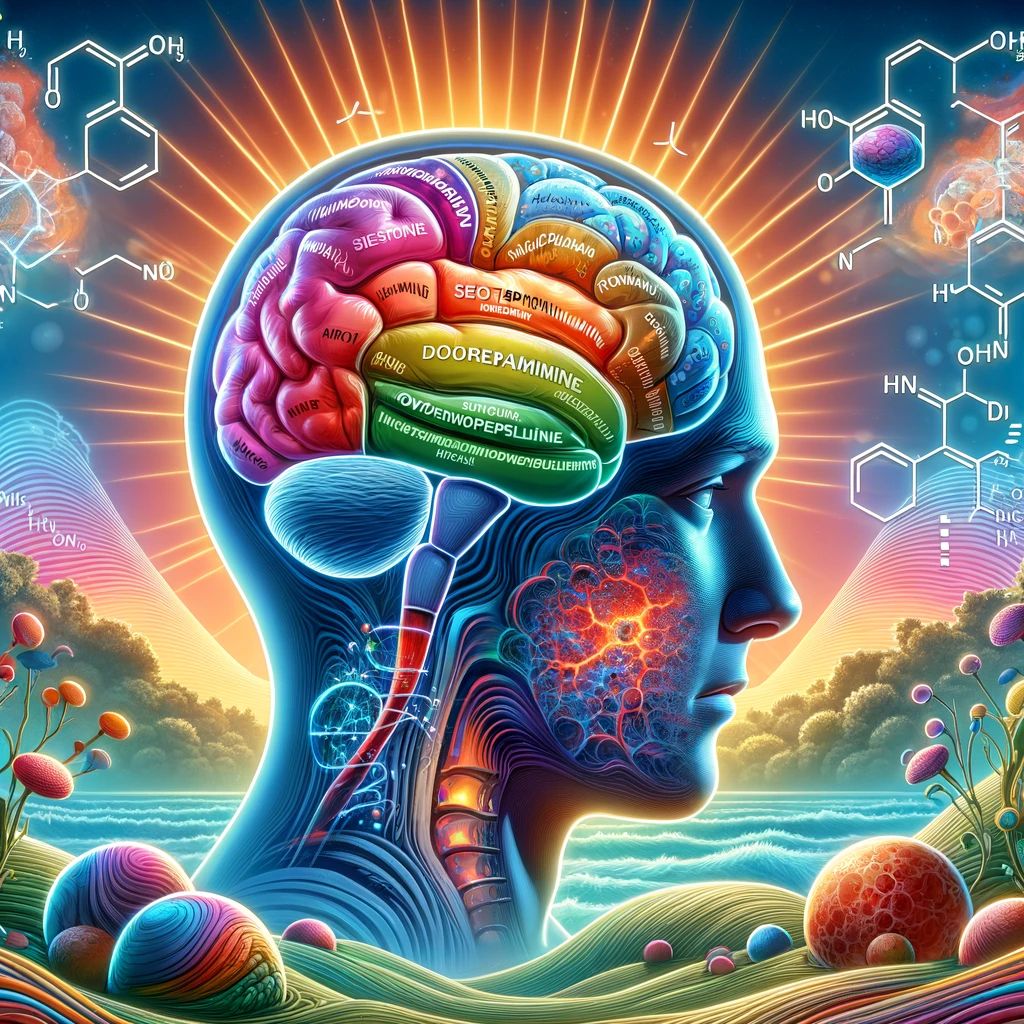
Depression is a complex mental health disorder that significantly impacts millions worldwide, going beyond mere feelings of sadness to profound disruptions in both emotional and cognitive capacities. This blog post delves into the necessity of understanding depression’s biological foundations and the pivotal role that pharmacological treatments play in managing this debilitating condition effectively.
Understanding the Biological Underpinnings of Depression
At its core, depression involves alterations in brain chemistry, structural changes in neural pathways, and disruptions in neurotransmitter systems. These biological factors contribute significantly to the symptoms and severity of depression:
1. Neurotransmitter Imbalance:
Critical neurotransmitters like serotonin, dopamine, and norepinephrine, which regulate mood and emotional responses, are often found in reduced or imbalanced levels in those suffering from depression. Medications aim to correct these imbalances, thereby alleviating depressive symptoms and restoring normal functioning.
2. Hormonal Influences:
Depression can also be exacerbated by hormonal imbalances, particularly stress hormones like cortisol, which can affect brain function and lead to prolonged depressive states. Managing these hormonal levels is crucial for effective treatment.
3. Brain Plasticity and Structural Changes:
Depression is associated with reduced neuroplasticity, which impacts the brain’s ability to form new neural connections essential for recovery. Certain medications can enhance this plasticity, improving brain function over time.
The Essential Role of Pharmacological Treatments in Depression
Pharmacological interventions are not merely adjuncts but are often central to the effective management of depression, particularly in moderate to severe cases:
1. Quick Symptom Relief:
For many individuals, the symptoms of depression can be overwhelming, leading to difficulties in performing daily activities and even thoughts of self-harm. Medications can provide rapid relief from these debilitating symptoms, offering a crucial lifeline during the initial stages of treatment.
2. Biochemical Restoration:
Antidepressants work by restoring the balance of neurotransmitters in the brain. This biochemical correction is fundamental in stabilizing mood and cognitive functions, making it possible for patients to engage more effectively in other forms of therapy such as cognitive-behavioral therapy (CBT) or psychotherapy.
3. Long-term Brain Health:
Certain medications have been shown to promote neurogenesis, the growth of new neurons, particularly in the hippocampus, an area of the brain associated with memory and emotion. This not only helps in recovering from depressive episodes but also in preventing future occurrences.
4. Enhancing Neuroplasticity:
By improving the brain’s plasticity, medications help in forming new neural pathways that can foster resilience against stress and depressive triggers. This enhancement of neuroplasticity is vital for long-term recovery and overall mental health.
5. Addressing Inflammation:
Emerging research indicates that inflammation may play a significant role in depression. Some antidepressants have anti-inflammatory properties that can help reduce the inflammatory processes associated with depression, providing another layer of therapeutic benefit.
Integrating Medication with Other Treatments
While medication is a cornerstone of depression treatment, it is most effective when integrated with other therapeutic approaches:
1. Psychotherapy:
Combining medication with psychotherapy, such as CBT, can offer a more comprehensive approach to treatment. While medications address the biological aspects of depression, psychotherapy helps patients develop coping strategies and address underlying psychological issues.
2. Lifestyle Modifications:
Incorporating lifestyle changes, such as regular exercise, a healthy diet, and adequate sleep, can enhance the effectiveness of medication. These changes help improve overall physical health, which is closely linked to mental well-being.
3. Support Systems:
Having a robust support system, including family, friends, and support groups, can provide emotional encouragement and practical assistance, making it easier for individuals to adhere to their treatment plans.
Conclusion
Depression is a multifaceted condition requiring a multifaceted approach to treatment. Understanding the biological basis of depression underscores the importance of pharmacological interventions. These medications play a critical role in restoring biochemical balance, enhancing neuroplasticity, and promoting long-term brain health. When combined with psychotherapy, lifestyle changes, and strong support systems, medication can offer a comprehensive pathway to recovery.
Let’s share this knowledge and continue to support advancements in mental health treatment. Understanding is the first step towards healing.
#MentalHealthAwareness #DepressionTreatment #HealthBlog
 Dr Teoh - Family Medicine Specialist, Stem Cell & Immune Therapy