Introduction
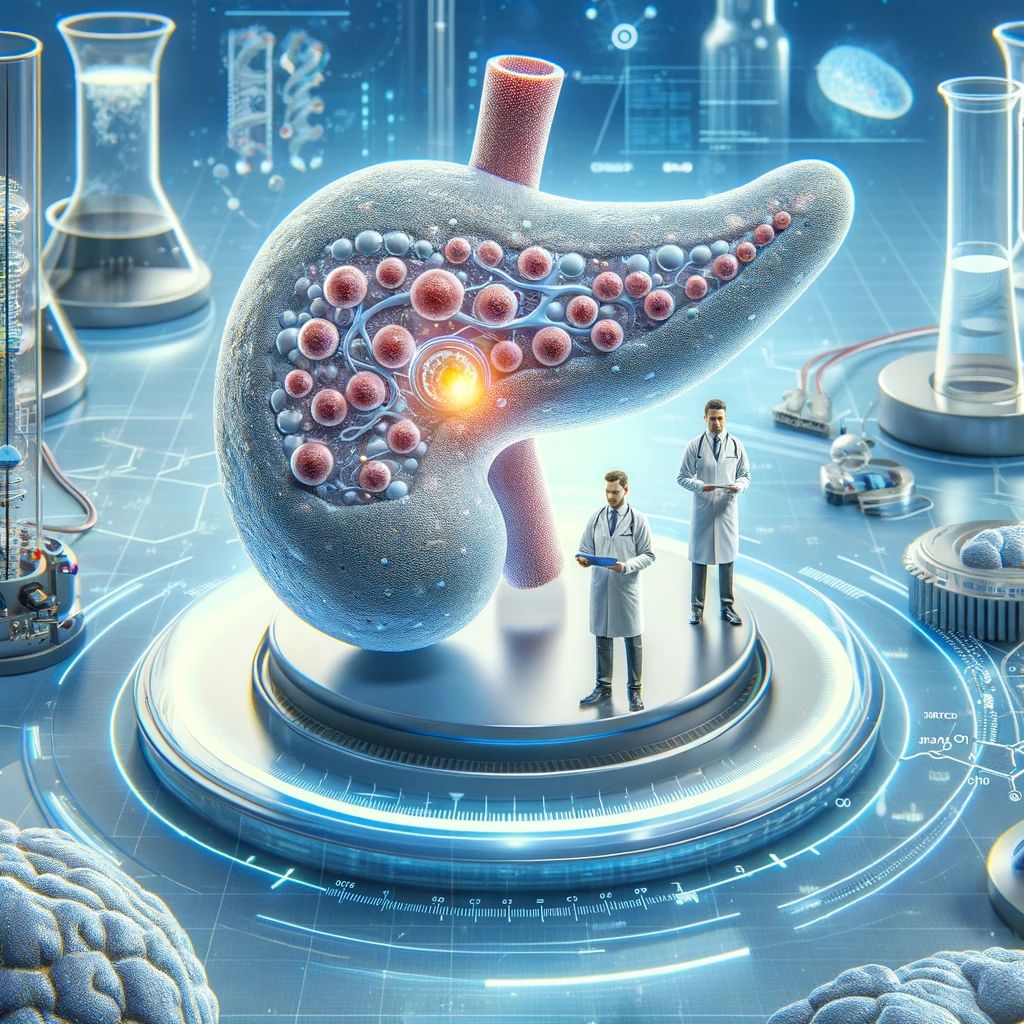
In the ongoing battle against Type 2 diabetes, which affects hundreds of millions globally, a revolutionary approach is making waves: stem cell therapy. This innovative treatment could potentially reverse diabetes by regenerating the insulin-producing cells of the pancreas, offering hope for a definitive solution beyond the current management strategies.
What is Stem Cell Therapy?
Stem cell therapy is a frontier in regenerative medicine that exploits the body’s own repair mechanisms to restore damaged tissues and organs. In the realm of Type 2 diabetes, it specifically targets the pancreatic beta cells, which are responsible for insulin production. These cells are often compromised in diabetic patients, leading to the disease’s hallmark high blood sugar levels.
How Stem Cell Therapy Works in Diabetes
The therapy begins with the extraction of stem cells, usually from the patient’s own bone marrow, adipose tissue, or peripheral blood. These cells are then cultivated and sometimes genetically modified in a laboratory to enhance their ability to differentiate into pancreatic beta cells. Once reintroduced into the patient’s body, these engineered cells are designed to migrate to the pancreas, assimilate into its structure, and begin producing insulin naturally.
The Science Behind the Therapy
This therapeutic approach hinges on the plasticity of stem cells — their ability to transform into different types of cells. When these stem cells are injected back into the body, they receive biochemical signals from the pancreatic environment that guide their development into beta cells. This regeneration of beta cells can potentially restore the body’s capability to regulate blood glucose internally, diminishing or even eliminating the need for exogenous insulin.
Pioneering Studies and Outcomes
- The Lancet Study: This landmark study showed that stem cell therapy led to significant improvements in the metabolic function of diabetic patients, offering evidence of prolonged remission from hyperglycemia.
- Research in Cell Stem Cell: Illustrated the therapy’s capacity to not only regenerate insulin-producing cells but also ameliorate pancreatic function and reduce chronic inflammation associated with diabetes.
- Findings from Diabetes Care: Documented consistent reductions in HbA1c levels, a crucial marker of blood sugar control over time, thus validating the treatment’s long-term efficacy.
Challenges and Ethical Considerations
The journey of integrating stem cell therapy into mainstream diabetes treatment is fraught with challenges. These include ensuring the longevity and integration of transplanted cells, preventing immune system rejection, and addressing the high costs associated with personalized regenerative therapies. Moreover, ethical concerns, particularly regarding stem cell sourcing and genetic manipulation, must be navigated carefully.
Future Directions
Ongoing advancements in biotechnology promise to enhance the efficacy and safety of stem cell therapies. Clinical trials continue to explore various facets of this treatment, focusing on optimizing cell delivery methods, improving survival rates of transplanted cells, and ensuring comprehensive regulatory compliance.
Conclusion
Stem cell therapy stands at the cusp of revolutionizing diabetes care by potentially reversing Type 2 diabetes. This innovative approach goes beyond mere management, aiming to restore the body’s innate ability to regulate glucose. As research progresses, it holds the promise of transforming the lives of millions of patients, heralding a new era in medical treatment for chronic diseases.
 Dr Teoh - Family Medicine Specialist, Stem Cell & Immune Therapy