Introduction:
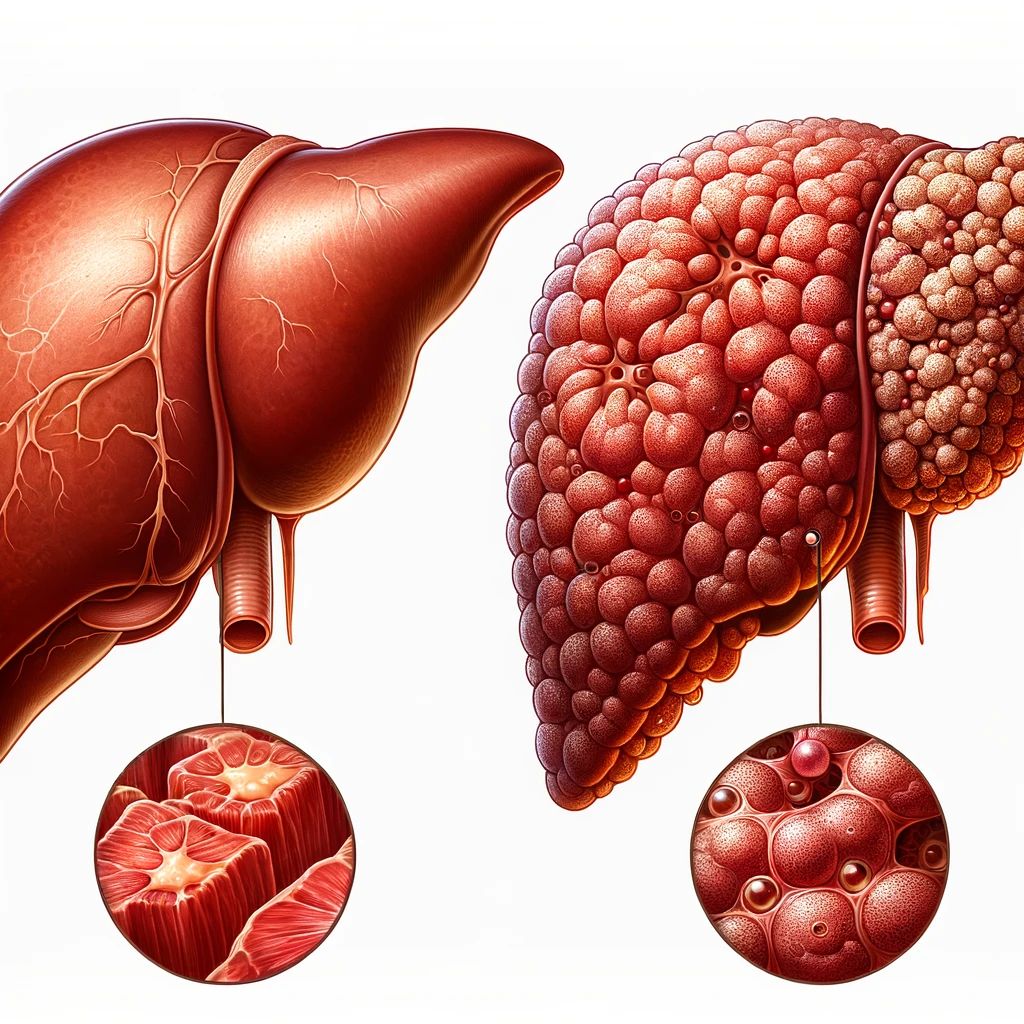
As we confront an array of health challenges on a global scale, non-alcoholic fatty liver disease (NAFLD) is emerging as a silent epidemic, affecting approximately one in four people worldwide. This disease, characterized by the build-up of fat in liver cells in individuals who drink little or no alcohol, is becoming increasingly prevalent in parallel with rising rates of obesity and metabolic disorders. Among the cutting-edge treatments under investigation, stem cell therapy stands out with its promise to not only treat but potentially reverse this condition.
What is NAFLD?
Non-alcoholic fatty liver disease is a term for a range of liver conditions affecting people who consume minimal alcohol. The simplest form is non-alcoholic fatty liver (NAFL), which involves hepatic steatosis, or simple fat accumulation in liver cells. If the disease progresses, it can lead to non-alcoholic steatohepatitis (NASH), a more aggressive state characterized by liver inflammation, cell damage, and potential fibrosis. NASH can eventually progress to cirrhosis or hepatocellular carcinoma, the most common type of liver cancer.
The Innovative Role of Stem Cell Therapy:
Stem cells are the building blocks of the body, capable of dividing and morphing into various types of cells. In liver diseases, particularly NAFLD, stem cell therapy proposes the infusion of these powerful cells to regenerate damaged liver tissue and restore normal function. Scientists are focusing on various types of stem cells such as mesenchymal stem cells (MSCs) which can be harvested from bone marrow, fat tissue, or umbilical cord blood, owing to their ability to differentiate into liver cells and their anti-inflammatory properties.
Research Highlights:
A variety of studies underline the potential benefits of stem cell therapy in treating liver diseases. Key research findings include:
- Reduction of Liver Fibrosis: Trials on animal models have shown that MSC therapy can significantly reduce liver fibrosis, a major complication of NASH that can lead to cirrhosis.
- Enhanced Liver Function: Clinical trials involving human subjects with liver disease suggest that stem cell therapy can improve overall liver function, as evidenced by better liver enzyme profiles and reduced symptoms of liver dysfunction.
- Potential for Reversal of Damage: Some studies have pointed to the possibility that stem cell treatments might not only halt the progression of liver disease but also reverse existing damage, offering hope for recovery even in advanced cases.
Facing the Challenges:
Despite the encouraging potential, several challenges need to be addressed to make stem cell therapy a realistic option for widespread clinical use:
- Technical and Clinical Challenges: Effective delivery of stem cells to the liver, ensuring their survival and integration, and avoiding adverse effects such as unwanted immune responses or tumorigenicity are critical issues that are still under investigation.
- Cost and Accessibility: Currently, stem cell therapies are expensive and not easily accessible to the average patient, limiting their widespread adoption.
- Ethical and Regulatory Issues: The use of stem cells, particularly embryonic stem cells, raises ethical questions and requires careful regulation to ensure ethical compliance and patient safety.
Conclusion:
Stem cell therapy is poised to transform the landscape of treatment for non-alcoholic liver disease. By harnessing the regenerative power of stem cells, this approach offers a potential path to not just managing but actually reversing the damage caused by this increasingly common disease. As research progresses and these therapies become more refined and accessible, they could herald a new era in medical treatment, turning a once grim diagnosis into a manageable condition.
Call to Action:
Are you interested in the latest developments in the treatment of liver disease? Subscribe to our newsletter and join a community of readers passionate about the advancements in medical science. Together, we can stay informed and optimistic about the future of liver health and regenerative medicine.
 Dr Teoh - Family Medicine Specialist, Stem Cell & Immune Therapy