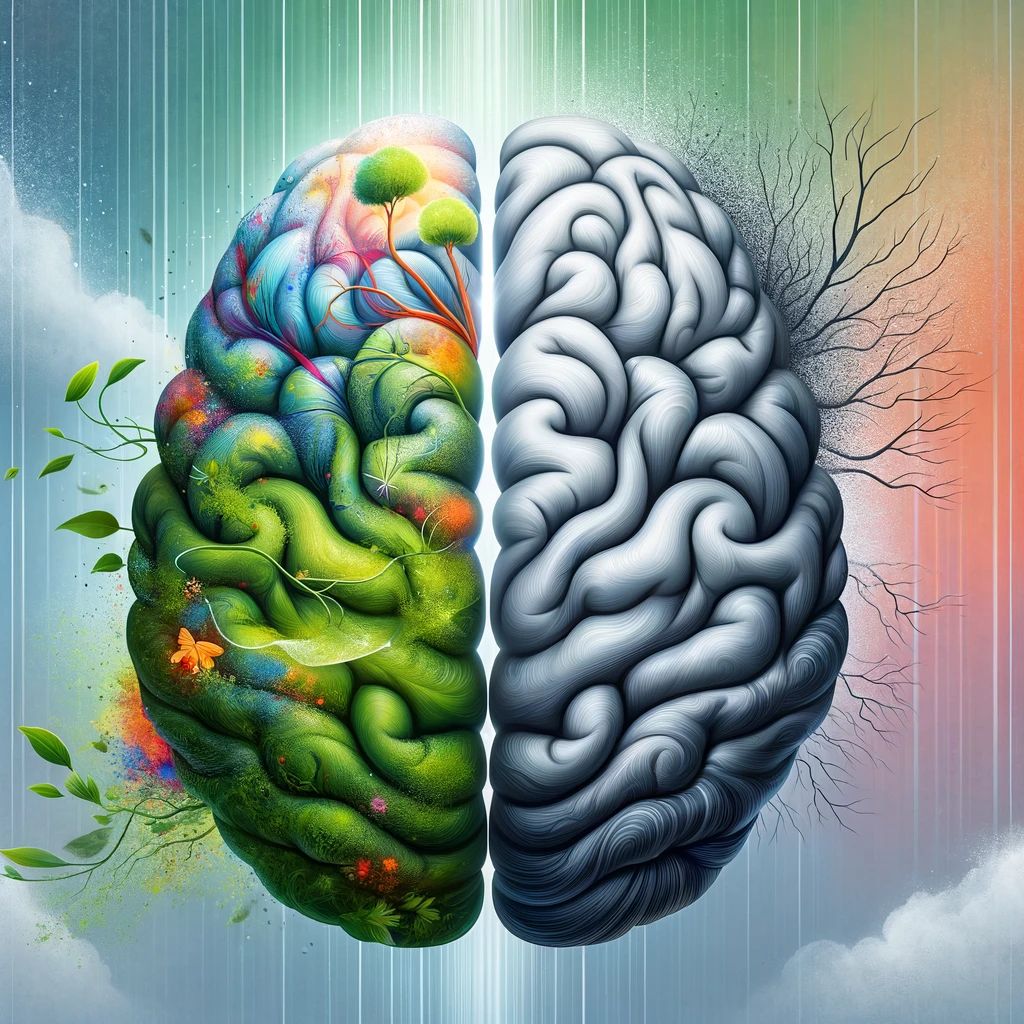
Parkinson’s disease (PD) is a progressive neurological disorder that profoundly affects movement, characterized by symptoms such as tremors, rigidity, and bradykinesia. It originates from the degeneration of dopamine-producing neurons in the substantia nigra, a critical area within the brain. This comprehensive exploration delves into the intricacies of Parkinson’s disease, evaluates established and non-pharmacological treatment strategies, and highlights the transformative potential of stem cell therapy.
Deepening Understanding of Parkinson’s Pathophysiology
Parkinson’s disease is distinguished by the progressive loss of dopaminergic neurons and the accumulation of alpha-synuclein proteins, which clump to form Lewy bodies in the brain. These biological disruptions lead to a significant decrease in dopamine, a neurotransmitter vital for coordinating smooth and controlled body movements. As the disease progresses, patients may also experience non-motor symptoms, including depression, sleep disturbances, and cognitive impairments, which arise from the widespread impact on various brain regions.
Evaluating Traditional Pharmacological Treatments
The pharmacological management of PD predominantly aims to mitigate symptoms, as a cure remains elusive. The principal medications include:
- Levodopa: Often combined with Carbidopa to enhance its effectiveness and reduce side effects, Levodopa remains the gold standard for symptomatic relief in PD. However, its long-term use is associated with the development of motor complications such as dyskinesias.
- Dopamine Agonists: These drugs, such as pramipexole and ropinirole, simulate the action of dopamine in the brain, used as initial therapy or in combination with Levodopa.
- MAO-B Inhibitors: By inhibiting the monoamine oxidase-B enzyme that breaks down dopamine, these drugs, like selegiline and rasagiline, help increase and prolong the effects of dopamine in the brain.
While beneficial, these treatments do not prevent the progressive loss of neurons and are frequently associated with diminishing returns and side effects over time (Olanow et al., 2019, New England Journal of Medicine).
The Role of Non-Pharmacological Therapies
To offer a holistic approach to PD management, non-pharmacological therapies are vital:
- Physical and Occupational Therapy: These therapies focus on enhancing motor function, improving mobility, and adapting everyday activities to the capabilities of the patient, promoting independence.
- Speech and Language Therapy: Given the difficulties in speech and swallowing commonly experienced by PD patients, these therapies are critical in maintaining communication abilities and nutritional intake.
- Psychological Support: Cognitive-behavioral therapy and other forms of psychological support address the mental health challenges associated with PD, such as depression and anxiety.
The Cutting-Edge: Stem Cell Therapy
Emerging as a cutting-edge treatment, stem cell therapy offers hope for fundamentally altering the course of Parkinson’s disease. Research on umbilical mesenchymal stem cells is particularly promising, as these cells can differentiate into dopaminergic neurons and potentially replenish the depleted neuronal population. Moreover, their immunomodulatory properties could provide a dual benefit by also protecting existing neurons from further damage (Venkataramana et al., 2020, Neuroregeneration Research; Lindvall & Kokaia, 2010, Nature Neuroscience). Clinical trials are ongoing, and while results are preliminary, they offer a glimpse into a future where we might not only manage but potentially reverse aspects of Parkinson’s disease.
Looking Ahead
The journey toward a holistic cure for Parkinson’s disease is complex and requires the integration of both traditional and innovative treatment strategies. Continued research and clinical trials are essential for advancing our understanding and treatment of this debilitating disorder. By embracing both pharmacological advancements and breakthrough therapies like stem cell treatment, there is hope that we can significantly improve the quality of life for individuals affected by Parkinson’s disease and ultimately pave the way toward a cure.
 Dr Teoh - Family Medicine Specialist, Stem Cell & Immune Therapy