Introduction
Osteoarthritis (OA) is the most prevalent form of arthritis, affecting millions worldwide and significantly impacting the quality of life. Knee osteoarthritis, in particular, is a leading cause of disability. Early detection and proactive management through X-ray imaging are crucial for delaying progression and improving outcomes. This non-invasive diagnostic tool offers insights that guide effective treatment strategies.
The Role of X-Rays in Detecting Early Knee Osteoarthritis
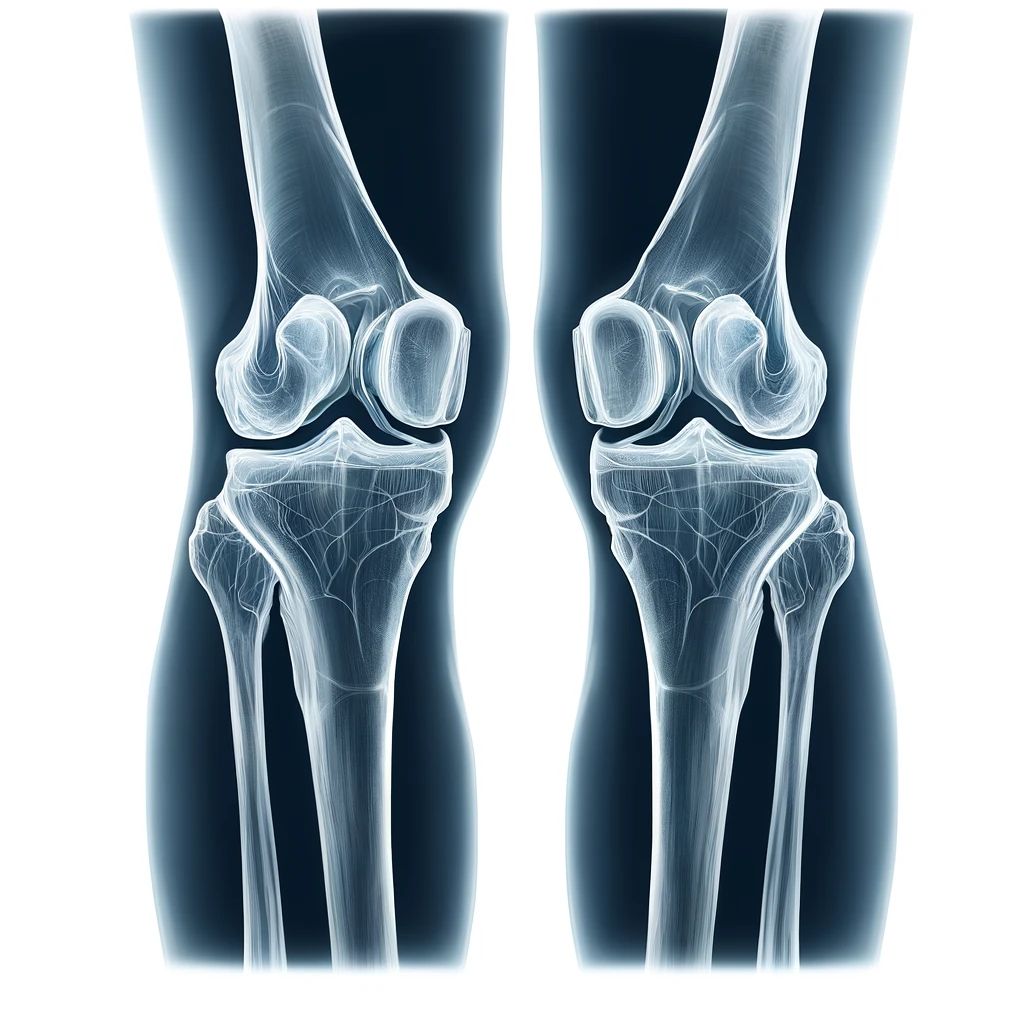
X-ray imaging is a cornerstone in diagnosing osteoarthritis, allowing physicians to view the affected areas without invasive procedures. An anterior (front) X-ray view can reveal several key indicators of early OA:
- Joint Space Narrowing: Indicates the deterioration of cartilage between bones.
- Bone Spurs: Bony projections that form around the joint in response to damage.
- Subchondral Sclerosis: Increased bone density below the cartilage surface, indicative of bone stress.
Navigating Treatment Options
Early detection of knee OA through X-ray imaging enables a diverse range of treatment strategies to slow disease progression and manage pain:
- Conservative Treatments:
- Lifestyle Modifications: Emphasizing weight management and regular exercise.
- Physical Therapy: Tailored exercise programs to enhance joint function.
- Medications: NSAIDs for pain relief and inflammation reduction.
- Advanced Non-Surgical Therapies:
- Hyaluronic Acid Injections: Supplements joint lubrication.
- Corticosteroid Injections: Temporarily relieve severe inflammation.
- Polynucleotide Injections: These injections involve administering polynucleotide complexes that may enhance cartilage repair and reduce symptoms by improving the joint’s biochemical environment.
- Secretome Therapy: Involves injecting a concentration of proteins and growth factors secreted by cells, which could potentially promote tissue regeneration and reduce inflammation within the joint.
- Regenerative Treatments:
- Platelet-Rich Plasma (PRP) Injections: Utilizes components from the patient’s own blood to encourage healing.
- Stem Cell Therapy: Shows promise in regenerating damaged cartilage.
- Surgical Interventions:
- Arthroscopy: Minimally invasive procedure to clean out or repair cartilage.
- Osteotomy: Bone realignment to relieve joint pressure.
- Knee Replacement: Replaces damaged joint surfaces with artificial components when other treatments have failed.
Conclusion
Early diagnosis of knee osteoarthritis through anterior X-ray views plays a critical role in an integrated approach to managing the disease. With a clear understanding of the condition’s early manifestations and an array of treatment options, including innovative therapies like polynucleotide and secretome injections, patients can significantly enhance their management strategies, leading to improved outcomes and a higher quality of life.
 Dr Teoh - Family Medicine Specialist, Stem Cell & Immune Therapy