Introduction:
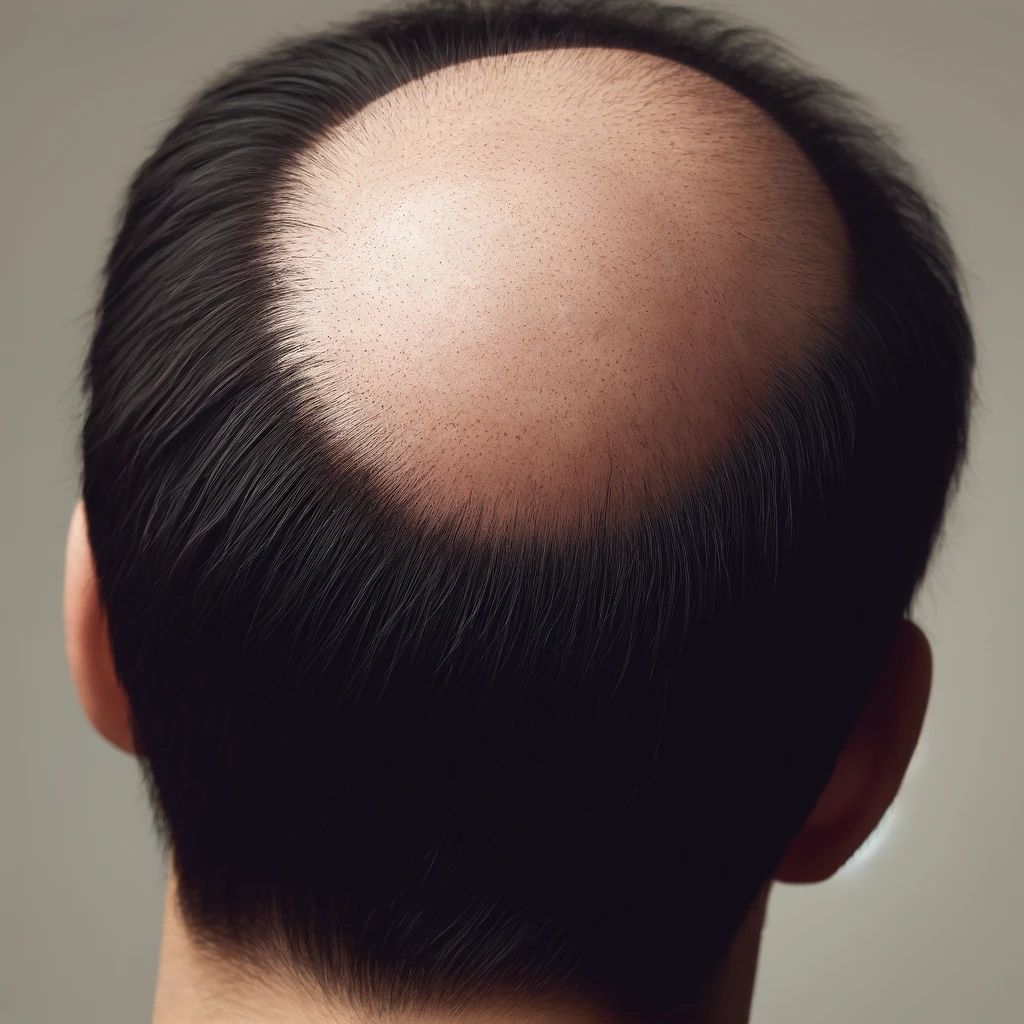
Alopecia areata is not merely a cosmetic inconvenience but a profound psychological ordeal for millions affected globally. This autoimmune disorder manifests as sudden, unpredictable hair loss in round patches, potentially escalating to more severe forms involving total loss of scalp and body hair. Amidst the standard treatment modalities, a groundbreaking approach is making headlines—secretome injections, derived from cutting-edge stem cell research.
Understanding Alopecia Areata:
Characterized by an immune attack on hair follicles, alopecia areata results in distinctive hair loss, affecting individuals of all ages and genders. The erratic nature of this condition can lead to significant emotional distress, impacting an individual’s self-image and social interactions. Unlike other forms of hair loss, alopecia areata is peculiar for its patches that can spontaneously regrow hair, only to lose it again, making the condition particularly frustrating to manage.
What Are Secretome Injections?
Secretome injections leverage the regenerative potential of proteins, growth factors, and cytokines secreted by stem cells. These biological substances are integral to cell communication, repair, and inflammation control, making them potential candidates for innovative therapeutic applications like treating alopecia areata.
The Science Behind Secretome Injections:
The therapeutic promise of secretome stems from its ability to:
- Reactivate Dormant Hair Follicles: By promoting the transition of hair follicles from the dormant phase back to the growth phase, secretome injections can potentially reverse the visible effects of alopecia areata.
- Mitigate Inflammatory Responses: Given that alopecia areata is fundamentally an inflammatory disease, the anti-inflammatory properties of the secretome can be crucial in preventing further damage to hair follicles.
- Facilitate Tissue Repair and Regeneration: The growth factors in the secretome enhance tissue regeneration, crucial for recovering from the intermittent bald patches characteristic of alopecia areata.
Clinical Evidence Supporting Secretome Therapy:
Significant research backs the efficacy of secretome injections. A pivotal study in the Journal of Dermatological Science documented notable increases in hair density and growth within a few months post-treatment, surpassing results from traditional therapies. Complementary findings from the American Journal of Clinical Dermatology suggest that these benefits come with a low risk of side effects, offering a safer, more sustainable option than long-term pharmacological treatments.
Patient Testimonials and Case Studies:
Personal stories and case studies further illuminate the impact of secretome therapy. One case involved a middle-aged patient who had struggled with extensive alopecia areata for over a decade, experiencing significant hair regrowth after a series of secretome injections, with sustained results over a year later. Such anecdotes underscore the transformative potential of this treatment, though individual results can vary.
Is Secretome Therapy Right for You?
Secretome injections represent a bespoke treatment modality. Their suitability varies widely, depending on individual health profiles, extent of hair loss, and previous treatment responses. Prospective patients should undergo a comprehensive evaluation by a specialist to determine if secretome therapy aligns with their specific needs.
Conclusion:
The advent of secretome injections could mark a turning point in the treatment of alopecia areata, providing a novel, regenerative option for those battling this capricious condition. While ongoing research will further delineate its efficacy and refine its application, the current evidence holds promise for many who have found little relief in conventional therapies.
Call to Action:
Anyone grappling with the challenges of alopecia areata should consider consulting with a dermatologist or healthcare provider knowledgeable about the latest treatment innovations. Engaging with a specialist can provide insights into whether secretome injections might be a suitable treatment option, offering hope where traditional methods have fallen short.
 Dr Teoh - Family Medicine Specialist, Stem Cell & Immune Therapy