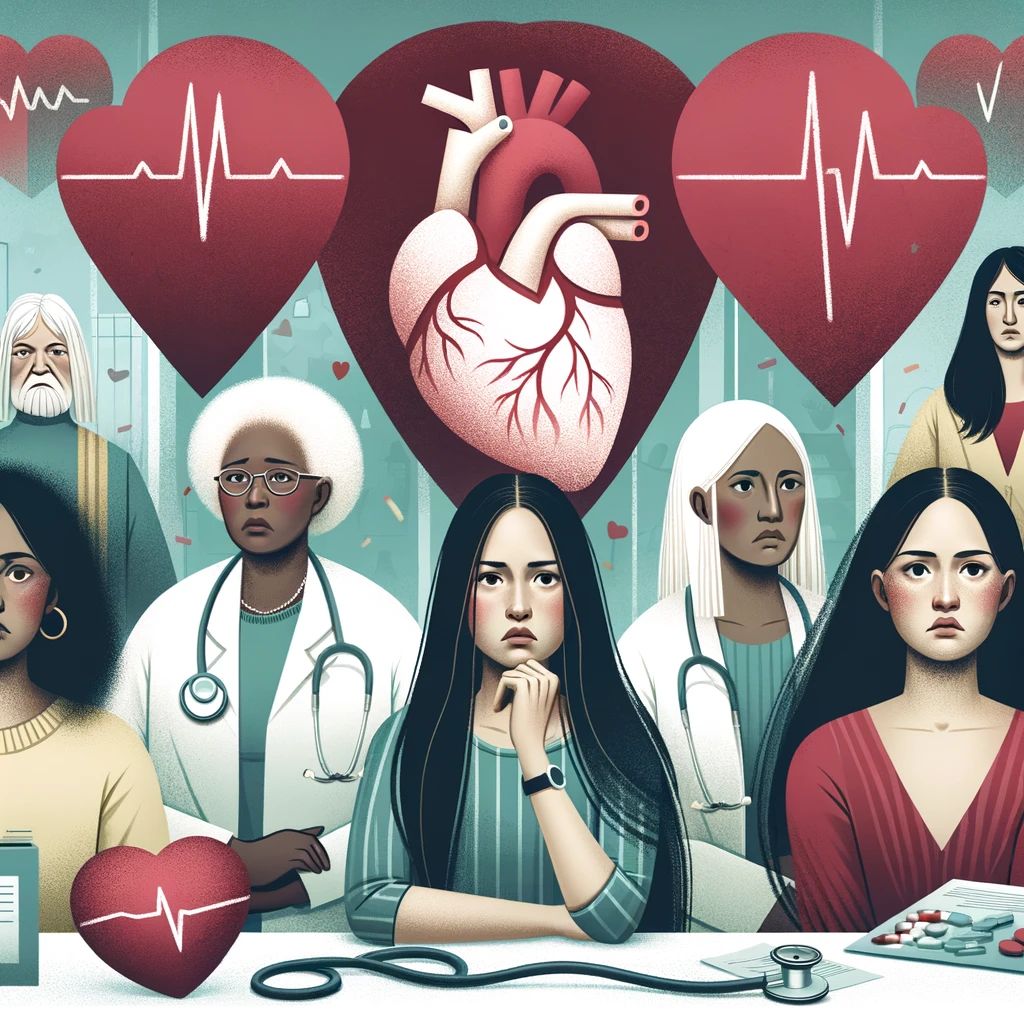
Cardiovascular disease (CVD) remains the leading cause of death globally, yet its impact on women is often underrecognized and underresearched. This disparity in cardiovascular health presents a critical area of concern that demands a deeper understanding and a more tailored approach to healthcare for women.
Biological and Physiological Disadvantages
Hormonal Influence and Cardiovascular Risk
Estrogen plays a pivotal role in cardiovascular health, providing a protective effect against the hardening of arteries. This protection significantly declines as women reach menopause, leading to an increased risk of cardiovascular diseases. The drop in estrogen levels correlates with a surge in heart disease rates among post-menopausal women, making their risk levels align more closely with those of men. A study published in the Journal of the American College of Cardiology underscored that post-menopausal women are at a higher risk of vascular complications due to decreased estrogen levels.
Pregnancy-Related Cardiovascular Stress
Pregnancy acts as a cardiovascular stress test for many women, revealing potential heart health issues such as gestational hypertension and preeclampsia. These conditions are not only immediate health concerns but also indicators of long-term cardiovascular risk. Research indicates that women who experience these pregnancy-related complications have a substantially higher risk of developing CVD later in life. The British Journal of Medicine published findings that women with a history of hypertensive diseases during pregnancy have a substantially higher risk of heart disease later in life. Furthermore, conditions like gestational diabetes can double the risk of developing cardiovascular diseases within ten years post-pregnancy.
Socioeconomic and Cultural Factors
Gender Bias in Clinical Research
For decades, cardiovascular studies predominantly involved male participants, leading to a research bias that overlooked how cardiovascular diseases manifest differently in women. The National Institutes of Health has since mandated the inclusion of women in clinical research, but the legacy of this gender bias still affects the quality of care women receive today.
Symptom Recognition and Diagnosis
Symptom presentation in women with CVD can be different and more subtle compared to men. Common symptoms in women include fatigue, nausea, and shortness of breath, which can be misinterpreted as non-cardiac in nature leading to misdiagnoses. A critical review published in the Journal of Women’s Health found that these atypical presentations contribute to delays in seeking treatment and receiving appropriate care. Women are more likely to present with symptoms like jaw pain, shoulder ache, nausea, vomiting, and fatigue, which can easily be mistaken for less severe conditions. This leads to higher misdiagnosis rates and delayed treatment in women.
Healthcare System Biases
Discrepancies in Medical Treatment and Care
Despite similar guidelines for the treatment of heart disease in men and women, women frequently receive less aggressive treatment. A study in the European Heart Journal highlighted that women are less likely to be offered essential diagnostic tests like coronary angiography or advanced treatments such as coronary artery bypass grafting. These discrepancies contribute significantly to the poorer survival rates seen in women with CVD compared to men.
Educational and Awareness Shortfalls
There remains a significant gap in awareness about the risk and impact of cardiovascular disease among women, which extends to healthcare providers. This lack of awareness can prevent effective preventative measures and timely treatments. The lack of public and professional awareness about women’s heart health perpetuates a cycle of underdiagnosis and undertreatment. Initiatives like the American Heart Association’s Go Red for Women campaign have begun to address this gap, but much more widespread and intensive efforts are required to raise awareness among both healthcare providers and women about the specific cardiovascular health risks and symptoms seen in females.
Moving Forward: Strategies for Change
Prioritizing Gender-Specific Research and Treatment
Advancements in understanding female-specific cardiovascular health can only be achieved through targeted research and the development of gender-specific treatment protocols. Funding and resources must be allocated to explore the distinct biological, social, and systemic factors that influence women’s heart health.
Policy Initiatives and Advocacy
Effective policy changes are essential to address the inequities in research, diagnosis, and treatment. Advocacy for gender-specific health policies can lead to better resource allocation, more effective public health campaigns, and ultimately, improved outcomes for women suffering from CVD.
Education and Training for Healthcare Providers
Training healthcare providers to recognize and address the unique presentation of heart disease in women is crucial. This involves not only medical education but also ongoing professional development that keeps pace with the latest research in gender-specific cardiovascular health. Comprehensive education campaigns aimed at both the public and healthcare providers are essential. These campaigns can help in recognizing the unique symptoms of heart disease in women, promoting earlier and more accurate diagnoses, and adjusting treatment protocols to better suit women’s specific needs.
Addressing the Disparities
Enhanced Research
Increased focus on gender-specific research can help fill the existing knowledge gaps. This includes more female participation in clinical trials and studies that specifically look at how cardiovascular diseases affect women differently. Effective policy changes are essential to address the inequities in research, diagnosis, and treatment. Advocacy for gender-specific health policies can lead to better resource allocation, more effective public health campaigns, and ultimately, improved outcomes for women suffering from CVD.
Education and Awareness Campaigns
Educating both healthcare providers and women about the unique aspects of cardiovascular health in females can lead to better, more timely diagnoses and treatments. Comprehensive education campaigns aimed at both the public and healthcare providers are essential. These campaigns can help in recognizing the unique symptoms of heart disease in women, promoting earlier and more accurate diagnoses, and adjusting treatment protocols to better suit women’s specific needs.
The discussion presented here underscores the urgent need for a comprehensive and nuanced approach to understanding and treating cardiovascular disease in women. By addressing these disparities through research, education, policy change, and public awareness, we can begin to dismantle the barriers to effective cardiovascular care that women face and move toward a future where health equity is a reality for all.
 Dr Teoh - Family Medicine Specialist, Stem Cell & Immune Therapy