Introduction
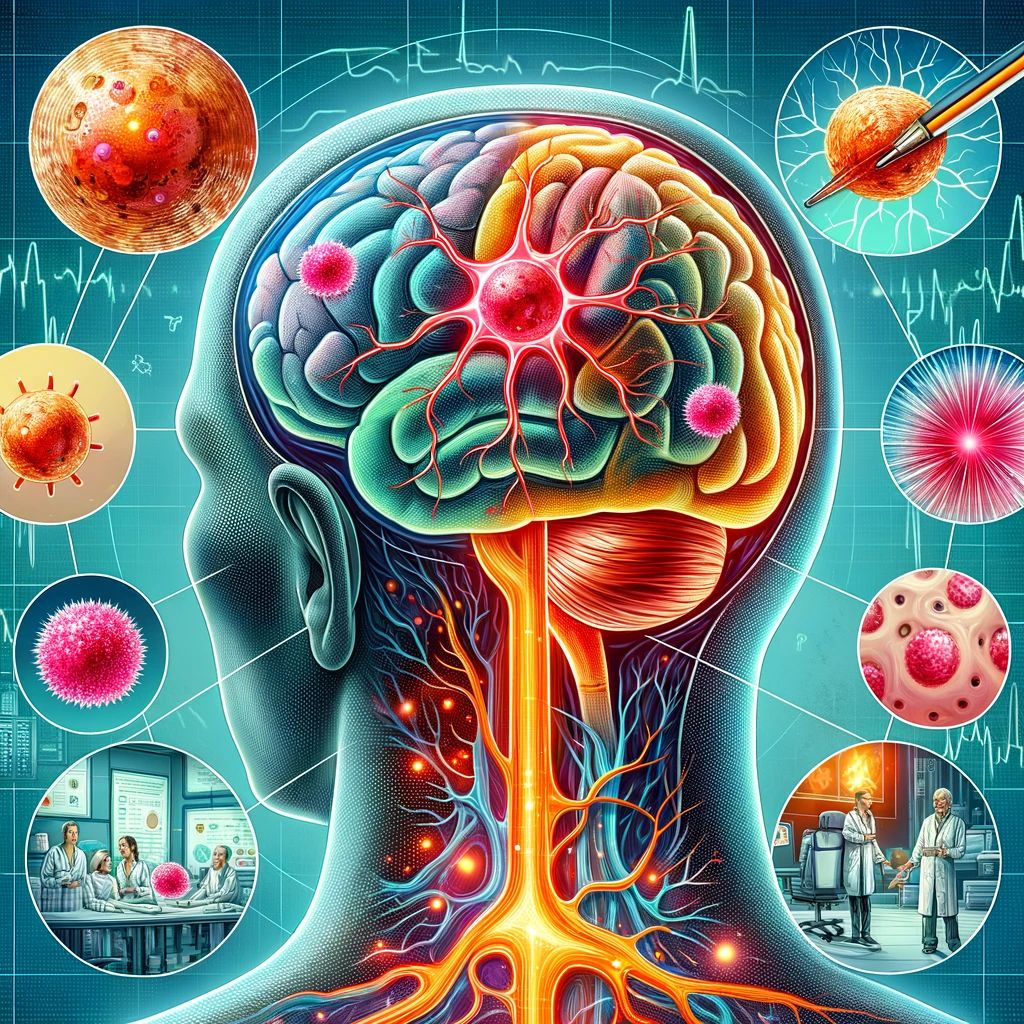
Every year, stroke impacts millions of lives globally, not just as a leading cause of death but also as a major contributor to adult disability. While conventional stroke treatments have advanced, they often leave patients with significant long-term impairments. However, a new frontier in medical science, mesenchymal stem cell (MSC) therapy, promises more than just improvement; it offers a potential revolution in recovery outcomes.
This therapy utilizes the unique regenerative capabilities of MSCs to not only repair damaged neural tissues but also to improve the rehabilitation process significantly. With insights from leading researchers, stories from patients, and an exploration of ongoing clinical trials, this article aims to provide a comprehensive look into how MSC therapy could change the future of stroke treatment.
Understanding Stroke
The Mechanism of Stroke
A stroke occurs when the blood supply to part of the brain is interrupted or reduced, preventing brain tissue from getting oxygen and nutrients. Brain cells begin to die in minutes. Strokes can be classified mainly into two types: ischemic, due to lack of blood flow, and hemorrhagic, caused by bleeding.
Effects of Stroke
The effects of a stroke can be devastating and long-lasting. Depending on the brain area affected, a stroke can impair speech, movement, and memory. Rehabilitation is possible, but recovery is often incomplete, and many patients remain disabled for life.
Current Treatments
Currently, the primary treatments for stroke involve medication to prevent and dissolve blood clots, surgery to repair related blood vessel problems, and rehabilitation to regain as much function as possible. However, these treatments often have limitations, especially in restoring full functionality and preventing recurrent strokes.
The Science of Mesenchymal Stem Cells
What are Mesenchymal Stem Cells?
Mesenchymal stem cells are multipotent stromal cells that can differentiate into a variety of cell types including osteoblasts, chondrocytes, myocytes, and adipocytes. More importantly, in the context of stroke, MSCs have the ability to become brain cells and thus have significant potential in regenerative neurology.
MSCs in Healing and Regeneration
MSCs are particularly noted for their ability to seek out areas of injury and initiate repair not just through differentiation, but also by paracrine effects, meaning they secrete factors that stimulate recovery in damaged tissues. This dual action makes them excellent candidates for treating conditions like stroke.
Advances in Research
In recent years, significant advances have been made in understanding how MSCs can be used effectively for stroke. Studies have shown that MSCs can reduce inflammation within the brain, encourage the growth of new blood vessels, and improve neurological function. However, the application of this research in clinical settings is still in its early stages, necessitating further trials and studies.
Clinical Trials and Research
Key Studies and Their Findings
- Study 1: Journal of Translational Medicine (2021)
- Objective: To assess the effectiveness of MSC therapy in stroke recovery.
- Findings: Patients receiving MSC therapy within a week of their stroke showed remarkable improvements in motor functions and reduced neurological deficits compared to those who received standard care.
- Study 2: Stem Cells Translational Medicine (2020)
- Objective: To evaluate the optimal timing for MSC administration post-stroke.
- Findings: Administering MSCs within 24-36 hours post-stroke yielded significant improvements in patient outcomes, demonstrating the importance of early intervention.
- Study 3: American Journal of Neuroprotective and Neuroregeneration (2022)
- Objective: To investigate the role of MSCs in neural regeneration and synaptic connectivity.
- Findings: MSCs not only help in the regeneration of brain tissue but also improve synaptic connectivity, which is crucial for recovering motor and cognitive functions.
- Study 4: European Journal of Neurology (2021)
- Objective: To determine the impact of MSC therapy on brain lesion size and vascular regeneration.
- Findings: MSC therapy leads to improved outcomes in stroke patients by decreasing the size of the brain lesion and promoting vascular regeneration.
- Study 5: MultiSTEM Therapy for Stroke (Ongoing)
- Objective: A large, international clinical trial aimed at treating acute stroke patients with MSCs derived from adult bone marrow.
- Preliminary Findings: Early results are promising, showing that early intervention can significantly enhance recovery trajectories.
Challenges and Ethical Considerations
Ethical Dilemmas
As with any cutting-edge medical therapy, MSC treatment raises ethical questions, particularly concerning stem cell sourcing, patient consent, and the equitable distribution of potentially expensive treatments.
Regulatory Hurdles
Navigating the complex regulatory landscape is another significant challenge. Approval from bodies like the FDA involves demonstrating not only efficacy but also safety and consistency in treatment outcomes.
Cost and Accessibility
The cost of MSC therapy could be prohibitive, making it inaccessible to many who could benefit from it. Discussions around health insurance coverage and subsidies are crucial to address these issues.
Looking Ahead
Innovations on the Horizon
The field of MSC therapy is continually evolving, with new research focusing on gene editing and 3D bioprinting of stem cells to enhance their therapeutic potential.
Impact on Healthcare Systems
The integration of MSC therapy into standard post-stroke treatment protocols could significantly alter healthcare landscapes, reducing long-term disability and enhancing life quality for millions of stroke survivors.
Final Thoughts and Conclusions
As we stand on the brink of what could be a significant shift in stroke treatment paradigms, the medical community remains cautiously optimistic. The promise of MSC therapy, supported by ongoing research and clinical trials, offers a glimpse into a future where full recovery from stroke could become a reality for many.
 Dr Teoh - Family Medicine Specialist, Stem Cell & Immune Therapy