Introduction
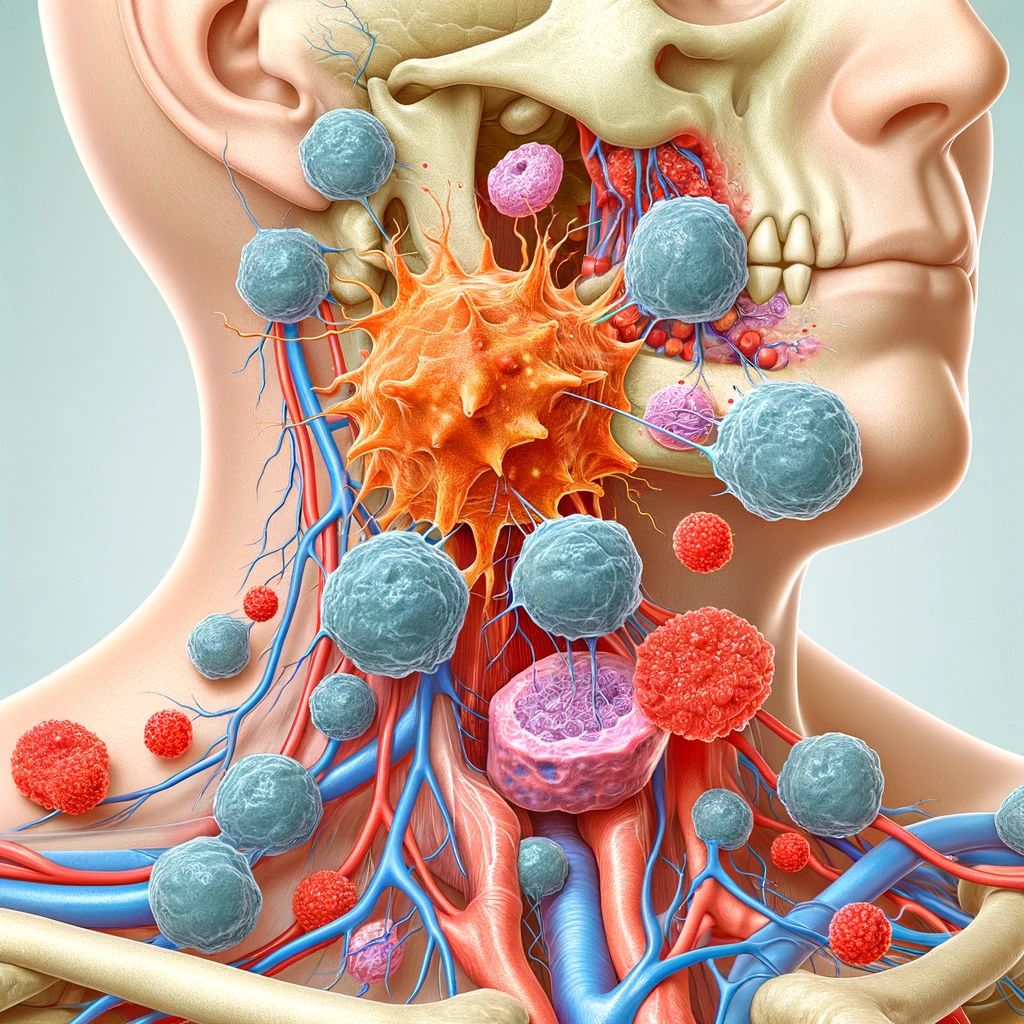
Cancer treatment is witnessing revolutionary advancements with the advent of innovative therapies that harness the power of the body’s immune system to combat malignancies. Among these therapies, Natural Killer (NK) cell therapy stands out as a promising approach. Particularly, autologous NK cell therapy, which involves using NK cells harvested from the patient’s own body, offers a personalized and potentially effective treatment for various cancers, including laryngeal carcinoma and other solid tumors.
Understanding Autologous NK Cell Therapy
Autologous NK cell therapy involves a multi-step process:
- Harvesting: NK cells are collected from the patient’s blood.
- Expansion and Activation: These cells are then expanded and activated in a laboratory setting to increase their number and enhance their cancer-fighting capabilities.
- Reinfusion: The activated NK cells are reintroduced into the patient’s body, where they seek out and destroy cancer cells.
Research and Clinical Findings
1. Safety and Tolerability
A Phase I clinical trial evaluated the safety and potential efficacy of autologous NK cell therapy in patients with advanced solid tumors, including head and neck cancers. The trial revealed that the therapy was well-tolerated, with no significant adverse events reported. Additionally, a substantial proportion of patients exhibited stable disease. This suggests that autologous NK cell therapy can effectively control tumor growth and help maintain the patient’s immune response (PMID: 26787822, 20703455).
2. Mechanisms of Action
NK cells possess an innate ability to target and kill cancer cells. They achieve this through several mechanisms:
- Direct Cytotoxicity: NK cells release cytotoxic granules containing perforin and granzymes, which induce apoptosis (cell death) in cancer cells.
- Cytokine Production: NK cells secrete cytokines such as IFN-γ, which enhance the anti-tumor response by activating other immune cells.
- Antibody-Dependent Cellular Cytotoxicity (ADCC): NK cells can recognize and kill antibody-coated tumor cells.
These mechanisms make NK cells particularly effective against cancer cells, including those found in laryngeal carcinoma (PMID: 20703455).
Current Challenges and Future Directions
While the initial results are promising, several challenges remain:
- Efficiency of NK Cell Expansion: Efficiently expanding NK cells to therapeutic numbers in vitro is complex and resource-intensive.
- Persistence and Homing: Ensuring that NK cells persist long enough in the patient’s body and effectively home to tumor sites is crucial for sustained therapeutic efficacy.
- Tumor Microenvironment: The immunosuppressive nature of the tumor microenvironment can inhibit NK cell function, necessitating combination strategies with other treatments to enhance efficacy.
Future Directions
Further research and clinical trials are necessary to:
- Optimize the methods for NK cell expansion and activation.
- Develop strategies to improve the homing and persistence of NK cells in the body.
- Explore combination therapies that can enhance the anti-tumor activity of NK cells.
Conclusion
Autologous NK cell therapy holds significant promise for the treatment of laryngeal carcinoma and other solid tumors. This approach offers a personalized treatment option that leverages the body’s natural defenses to fight cancer. As research progresses, this innovative therapy has the potential to transform cancer treatment paradigms, offering new hope to patients facing these challenging diseases.
References
- Study on Safety and Efficacy of NK Cell Therapy (PMID: 26787822)
- General Efficacy of NK Cells in Solid Tumors (PMID: 20703455)
Feel free to share this post and help spread the word about the potential of NK cell therapy in cancer treatment! Stay updated with the latest research and developments in NK cell therapy by following our blog.
 Dr Teoh - Family Medicine Specialist, Stem Cell & Immune Therapy