Introduction
Living with diabetes doesn’t mean having to forgo the sweet pleasures of fruit. A nuanced understanding of how different fruits interact with your blood sugar levels can not only safeguard your health but also enhance the quality of your diet. This comprehensive guide will explore the best fruit choices for individuals managing diabetes, explain the significance of the Glycemic Index (GI), and offer expert tips on how to enjoy fruits wisely.
Understanding the Glycemic Index (GI)
The Glycemic Index (GI) is a vital tool in dietary management, particularly for diabetes. It rates foods on a scale from 0 to 100 based on how quickly they raise blood glucose levels after consumption. High-GI foods lead to rapid spikes in blood sugar, which can be detrimental for diabetes control, while low-GI foods result in a more moderated and gradual increase, helping to maintain a stable blood glucose level. This understanding is crucial when selecting fruits as part of a diabetic diet.
The Power of Low-GI Fruits
Incorporating low-GI fruits into your diet is essential for stabilizing blood sugar levels. These fruits break down slowly, releasing glucose at a manageable rate that aids in consistent blood sugar management throughout the day. Here are some top low-GI fruit choices:
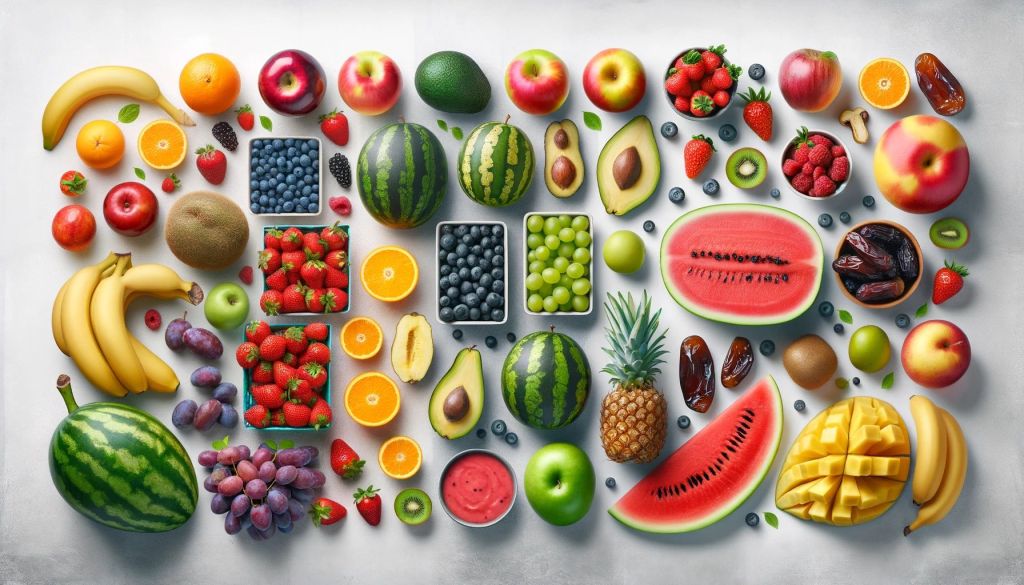
- Berries (Strawberries, Blueberries, Raspberries, Blackberries): These small fruits are nutritional powerhouses, high in fiber and antioxidants but low in calories, making them ideal for blood sugar control. Berries can be added to yogurt, oatmeal, or enjoyed on their own as a healthy snack.
- Citrus Fruits (Oranges, Lemons, Grapefruits): Beyond their immune-boosting vitamin C, these fruits have a low GI, which helps prevent blood sugar spikes. They are refreshing and can be consumed fresh, in salads, or as part of a balanced meal.
- Apples and Pears: Consuming these fruits with their skin on provides a high fiber content that aids in slow and healthy sugar absorption, offering a sustained energy release. They are perfect for snacking or adding to salads.
- Kiwi: This nutrient-rich fruit is loaded with vitamins and fiber, which assists in regulating blood sugar levels effectively. Kiwis can be enjoyed sliced, in fruit salads, or as a smoothie ingredient.
- Plums: Their low GI value makes them a sweet treat that doesn’t compromise blood sugar levels, while their antioxidants support overall health. Plums can be enjoyed fresh or dried in moderation.
- Avocados: Unique among fruits, avocados are very low in sugar and high in healthy fats, which can actually help regulate blood sugar. They are versatile and can be added to salads, sandwiches, or made into guacamole.
- Cherries: Low in GI and rich in nutrients, cherries are a great choice for a sweet snack with minimal blood sugar impact. They can be eaten fresh or added to desserts.
- Peaches: These juicy fruits have a moderate GI and are rich in vitamins, making them a healthy and flavorful addition to a diabetes-conscious diet. Enjoy them fresh, grilled, or in smoothies.
- Guava: This tropical fruit is not only low in GI but also high in dietary fiber, vitamin C, and other micronutrients, which help in managing blood sugar levels effectively. Guava can be enjoyed fresh, in salads, or as a juice.
Navigating High-GI Fruits
Although high-GI fruits are typically advised against in large amounts for those with diabetes, they can still be enjoyed in moderation and with proper planning. Here are some high-GI fruits and tips on how to include them in your diet:
- Watermelon and Pineapple: These fruits are high in sugar but also water, which provides hydration with a lower concentration of glucose. Eating them in small portions and combining them with low-GI fruits can help manage their impact on blood sugar levels.
- Ripe Bananas and Mangoes: Their higher sugar content requires careful pairing with proteins or fats to mitigate the immediate glycemic response. For example, you can pair bananas with nut butter or yogurt and enjoy mangoes in moderation.
- Dates: Nutrient-dense and high in fiber, dates are a concentrated source of energy but should be consumed sparingly due to their high sugar content. Pair them with nuts or seeds to slow down sugar absorption.
- Durian: Rich in carbohydrates and sugars, this ‘king of fruits’ is best enjoyed in small quantities due to its potent effect on blood sugar. Enjoy durian occasionally and in very small portions.
- Lychees: These tropical fruits are high in sugar and best eaten in limited amounts. Combine them with low-GI fruits to balance their effects.
- Papayas: While they offer nutritional benefits, their higher GI means that portion control is necessary. Enjoy papayas in moderation and pair them with proteins or fats.
Practical Tips for Fruit Consumption
Effective management of fruit consumption can enhance dietary control and enjoyment for diabetics. Here are some practical tips:
- Monitor Portion Sizes: Understanding how much fruit equates to a serving can help you better manage your carb intake. Typically, a serving is about one cup of sliced fruit or one small whole fruit.
- Pair Wisely: Combining higher GI fruits with sources of protein or healthy fats, like nuts, seeds, yogurt, or cheese, can help offset rapid glucose absorption, making it easier to manage blood sugar levels.
- Know Your Body: Regular monitoring of how specific fruits affect your blood sugar levels is essential for tailoring your diet to your metabolic needs. Use a glucometer to check your blood sugar levels after eating different fruits and adjust your diet accordingly.
Conclusion
Fruits are not only a delightful part of a diet but also a healthy one, even for those managing diabetes. By making informed choices about which fruits to consume and how to consume them, individuals with diabetes can enjoy the natural sweetness of fruits without compromising their health goals.
Explore the colorful world of fruits and learn how to incorporate them into your diet for a healthier, more vibrant life!
Footer
Stay informed and healthy. If you have any questions or need further guidance, feel free to contact us.
 Dr Teoh - Family Medicine Specialist, Stem Cell & Immune Therapy