Introduction
In the intricate battlefield of human health, our immune system deploys various units, each with specific roles designed to protect and heal. Among these units, natural killer (NK) cells stand out for their critical frontline defense, poised to attack with precision and speed. With recent advances in medical research, NK cell therapy has emerged as a revolutionary approach, extending its potential far beyond cancer treatment to tackle a broad spectrum of diseases.
The Science of Natural Killer Cells
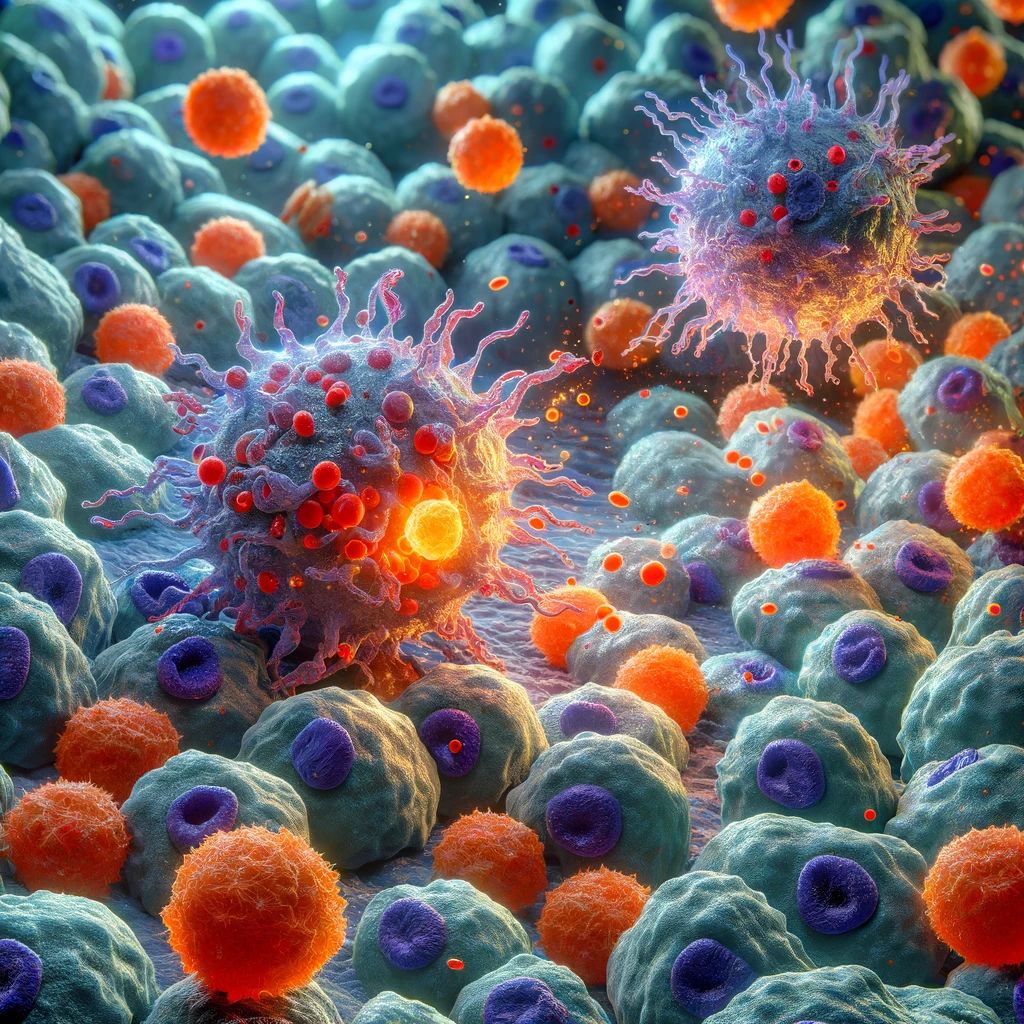
Natural killer (NK) cells, a vital type of white blood cell, play a pivotal role in the rapid response of our immune system. These cells are unique in their ability to detect and destroy cells that are stressed, infected, or transformed into cancerous states without prior sensitization to specific antigens. This immediate action makes them invaluable, particularly in fighting diseases that rapidly evolve to evade other immune responses.
Evolution of NK Cell Therapy
The concept of NK cell therapy has evolved significantly since NK cells were first identified in the 1970s. Initially recognized for their natural ability to kill certain tumor cells, NK cells have since been engineered and enhanced through biotechnological advances. Today, they are being meticulously studied and tested in clinical trials aimed at harnessing their full therapeutic potential to combat not only cancer but also a variety of other diseases.
NK Cell Therapy in Cancer Treatment
In oncology, NK cell therapy has shown promise in delivering targeted, effective treatment with minimal side effects. Studies published in esteemed journals such as the Journal of Clinical Oncology and Nature Medicine provide evidence of its efficacy, especially in cases where traditional therapies have failed. These treatments, which often involve enhancing NK cells’ natural abilities or engineering them to be more effective, are currently under trial and have shown remarkable success in extending patient survival and reducing tumor burden.
Beyond Cancer: Broader Applications of NK Cell Therapy
Fighting Viral Infections
One of the most promising areas for NK cell therapy beyond cancer treatment is in combating viral infections. NK cells have a natural ability to recognize and destroy virus-infected cells, making them a crucial component of the body’s defense against viral diseases. Research published in Nature Immunology (2023) demonstrates that engineered NK cells can effectively target and eliminate cells infected with dangerous viruses such as HIV and severe cases of influenza. These findings suggest that NK cell therapy could become a vital tool in the fight against viral pandemics and chronic viral infections, offering new hope for conditions that currently have limited treatment options.
Autoimmune Regulation
NK cell therapy also holds significant potential in the management of autoimmune diseases. Autoimmune conditions occur when the immune system mistakenly attacks the body’s own tissues, leading to chronic inflammation and tissue damage. Research featured in Clinical Immunology (2022) indicates that NK cells can be engineered to modulate the immune response, potentially reducing the severity of autoimmune attacks. This could pave the way for new treatments for diseases such as multiple sclerosis, rheumatoid arthritis, and lupus, where current therapies mainly focus on managing symptoms rather than addressing the underlying immune dysregulation.
Anti-Fibrotic Effects
Fibrosis, the excessive formation of connective tissue, can lead to severe organ damage and is a common feature of chronic diseases such as liver cirrhosis and pulmonary fibrosis. Recent studies have begun to explore the anti-fibrotic properties of NK cells. Published research in Hepatology (2021) and Thorax (2022) suggests that NK cells can target and kill fibrogenic cells, thereby reducing fibrosis and promoting tissue regeneration. This approach could revolutionize the treatment of fibrotic diseases, providing a more direct and effective method of halting and reversing disease progression.
Combating Resistant Infections
Antibiotic resistance is a growing global health crisis, leading to infections that are increasingly difficult to treat. NK cells have the potential to offer a new line of defense against antibiotic-resistant bacteria. By targeting infected cells and enhancing the body’s natural immune response, NK cell therapy could help to manage and treat infections that do not respond to conventional antibiotics. Studies in The Lancet Infectious Diseases (2022) highlight the potential of NK cells in treating resistant bacterial infections, suggesting a future where NK cell therapy could be integrated into standard infection control protocols.
Challenges and Future Directions
Despite its potential, NK cell therapy faces significant challenges. Issues such as developing long-lasting NK cells that can persist in the body long enough to perform their therapeutic functions, and ensuring they can be safely and effectively used in a broad range of patients, remain research priorities. Moreover, integrating innovative technologies like gene editing tools CRISPR could further enhance the specificity and effectiveness of NK cell therapies.
Producing NK cells in sufficient quantities for therapy, ensuring their stability and activity in the human body, and preventing possible adverse reactions are areas that require further research. However, advancements in biotechnology and a deeper understanding of NK cell biology continue to drive progress in overcoming these hurdles.
Conclusion
The promise of natural killer (NK) cell therapy is a beacon of hope in the quest for more effective and less invasive treatments. As we continue to unravel the complexities of the immune system, the full potential of NK cells is only beginning to be realized. With ongoing research, improved funding, and public support, NK cell therapy could transform the landscape of medical treatment, offering new hope to patients with previously untreatable conditions.
The development of NK cell therapy not only exemplifies the power of scientific innovation but also highlights the necessity for sustained investment in research. By supporting these advancements, we can ensure that the benefits of such revolutionary therapies reach all those in need, ushering in a new era of medicine where immunotherapy and precision treatment go hand in hand.
References
For those interested in delving deeper into the science and progress of NK cell therapy, references to the studies mentioned throughout this article can provide extensive insights and detailed information. These materials are essential for understanding both the capabilities and challenges of using NK cells in clinical settings.
As the scientific community continues to explore and expand the applications of NK cell therapy, staying informed about these developments is crucial. Whether you’re a healthcare professional, a patient, or simply someone interested in the future of medicine, the journey of NK cell therapy from a novel idea to a treatment option is a fascinating story of innovation, perseverance, and hope.
 Dr Teoh - Family Medicine Specialist, Stem Cell & Immune Therapy