Erectile Dysfunction (ED) is a condition affecting millions of men worldwide, causing not only physical distress but also significant psychological and relational impacts. Traditional treatments include medications like phosphodiesterase type 5 inhibitors (PDE5i), vacuum erection devices, and lifestyle changes. However, a promising new approach is emerging from the field of regenerative medicine: the use of intravenous mesenchymal stem cells (MSCs).
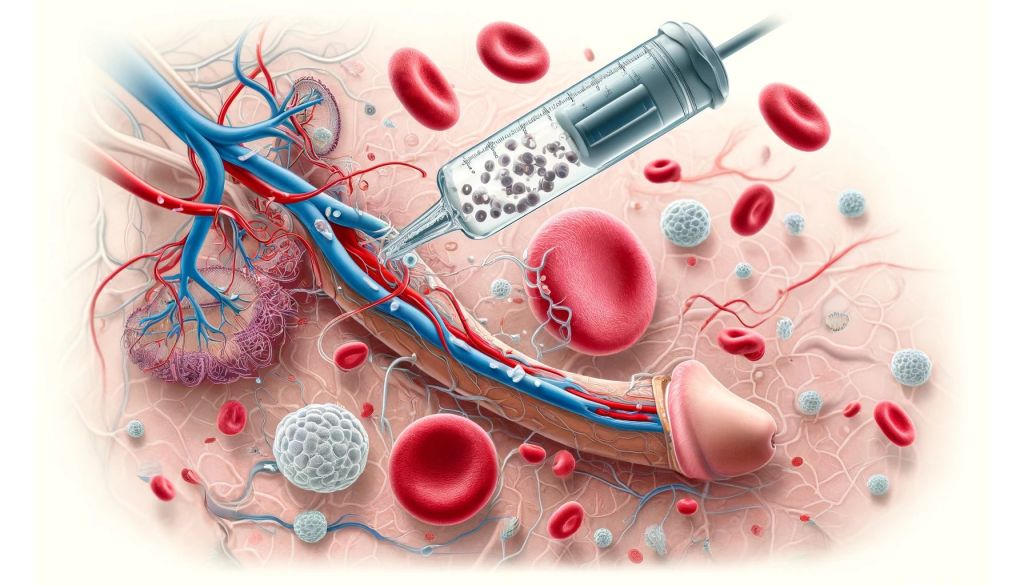
Understanding Erectile Dysfunction
ED is defined as the consistent inability to achieve or maintain an erection sufficient for satisfactory sexual performance. The condition can be caused by various factors, including cardiovascular disease, diabetes, neurological disorders, hormonal imbalances, and psychological issues.
What Are Mesenchymal Stem Cells?
Mesenchymal stem cells are multipotent stromal cells capable of differentiating into various cell types, including bone, cartilage, and fat cells. They are known for their regenerative properties, ability to modulate immune responses, and capacity to repair damaged tissues. MSCs can be isolated from bone marrow, adipose tissue, umbilical cord blood, and other sources.
How Do MSCs Improve Erectile Dysfunction?
Regeneration of Damaged Tissue
One of the primary ways MSCs improve ED is through the regeneration of damaged tissues. In the context of ED, endothelial dysfunction is a key issue. Endothelial cells line the blood vessels and play a critical role in maintaining vascular health. MSCs can differentiate into endothelial cells, contributing to the repair and regeneration of the damaged vascular endothelium in the penile tissue. This restoration of endothelial function is crucial for proper blood flow and erection quality.
Angiogenesis
MSCs secrete a range of growth factors, such as vascular endothelial growth factor (VEGF), fibroblast growth factor (FGF), and platelet-derived growth factor (PDGF), which promote angiogenesis—the formation of new blood vessels. Enhanced angiogenesis ensures an adequate blood supply to the penile tissue, which is essential for achieving and maintaining erections. This process helps to replace the damaged blood vessels with new, functional ones, thereby improving erectile function.
Anti-Inflammatory Effects
Chronic inflammation is often associated with ED and can exacerbate vascular damage and endothelial dysfunction. MSCs possess strong anti-inflammatory properties, mediated through the secretion of anti-inflammatory cytokines and modulation of immune cell activity. By reducing inflammation in the penile tissue, MSCs create a more favorable environment for tissue repair and regeneration, which contributes to improved erectile function.
Immunomodulation
In addition to their anti-inflammatory effects, MSCs have immunomodulatory capabilities. They can influence the activity of various immune cells, such as T cells, B cells, and macrophages, to reduce immune-mediated damage. This immunomodulatory effect helps protect and preserve the integrity of penile tissues, preventing further damage that could impair erectile function.
Neuroprotection and Nerve Regeneration
ED can also result from nerve damage, such as in cases of pelvic surgeries or injuries. MSCs secrete neurotrophic factors, such as brain-derived neurotrophic factor (BDNF) and glial cell line-derived neurotrophic factor (GDNF), which promote nerve regeneration and repair. These neurotrophic factors support the survival and growth of nerve cells, enhancing the recovery of neural pathways involved in erectile function.
Reduction of Fibrosis
Fibrosis, or the formation of excess fibrous connective tissue, can impede normal erectile function by reducing the elasticity and functionality of penile tissues. MSCs have been shown to reduce fibrosis by inhibiting the deposition of extracellular matrix components and promoting the breakdown of fibrotic tissue. This reduction in fibrosis helps maintain the structural integrity and flexibility of the penile tissue, essential for normal erectile function.
Supporting Studies
- Haahr et al. (2016):
In a phase I trial, Haahr et al. demonstrated that intracavernous injections of autologous adipose-derived stem cells improved erectile function in men with ED following radical prostatectomy. - Garber et al. (2017):
This study showed that intravenous infusion of allogeneic MSCs resulted in improved erectile function and increased penile vascularization in a diabetic rat model of ED. - Gao et al. (2016):
Gao and colleagues found that MSCs improved erectile function by enhancing angiogenesis and reducing fibrosis in a rat model of arteriogenic ED. - Liao et al. (2018):
Liao et al. reported that human umbilical cord-derived MSCs improved erectile function in a rat model of cavernous nerve injury through anti-apoptotic and pro-angiogenic effects. - Fode et al. (2020):
A clinical trial by Fode et al. showed that MSC therapy improved erectile function and penile hemodynamics in patients with severe ED unresponsive to PDE5 inhibitors. - You et al. (2019):
You and colleagues demonstrated that MSCs promoted recovery of erectile function in a rat model of pelvic neurovascular injuries by enhancing nerve regeneration and reducing oxidative stress. - Lue et al. (2020):
In a pilot study, Lue et al. found that MSC injections were safe and resulted in improved erectile function scores in men with ED of various etiologies.
Conclusion
Intravenous mesenchymal stem cell therapy represents a groundbreaking approach to treating erectile dysfunction. By addressing the underlying causes of ED, such as endothelial dysfunction, poor blood supply, inflammation, and nerve damage, MSCs offer a potential solution beyond the temporary relief provided by conventional treatments. As research in this area continues to advance, MSC therapy could become a viable and effective option for men seeking long-term improvement in erectile function.
For more information on this cutting-edge treatment and how it can benefit you, contact your healthcare provider or visit our clinic to learn more.
 Dr Teoh - Family Medicine Specialist, Stem Cell & Immune Therapy