Practicing Mindfulness in Daily Life: A Path to Inner Peace, Clarity, and Longevity
In today’s high-pressure world, where we’re inundated with information and the demands of daily life, the concept of mindfulness has emerged as a beacon of clarity and inner peace. As the ancient practice gains prominence in modern culture, studies are finding that mindfulness may also help us age gracefully. But what exactly is mindfulness, how can it combat the effects of aging, and how can we weave it into our daily routines?
Understanding Mindfulness
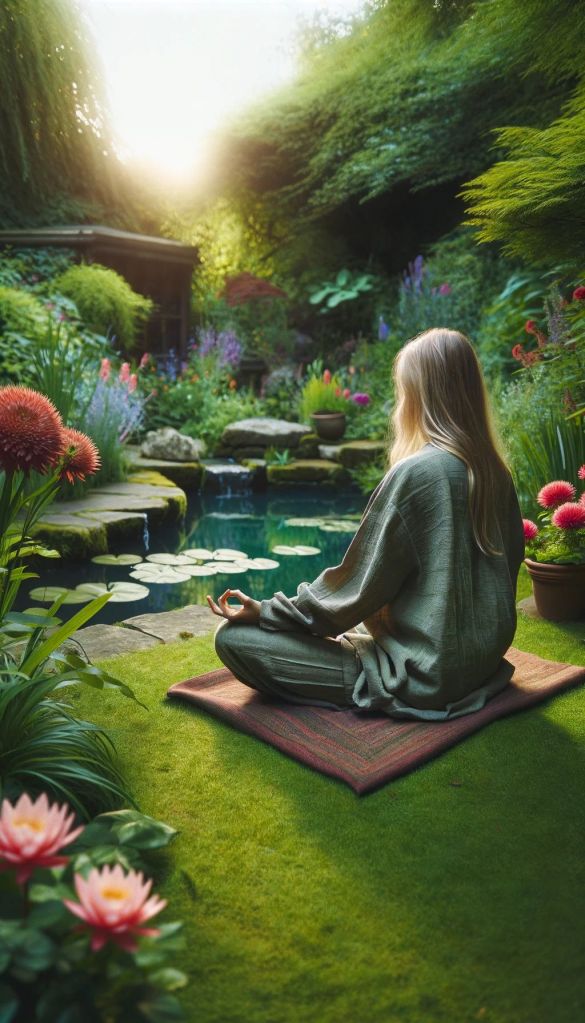
Mindfulness is the art of being fully present, aware, and engaged in each moment, without letting distractions, worries, or judgments intrude. This ancient practice, rooted in Buddhist meditation traditions, teaches us to focus on the now, training us to quiet the constant mental chatter. It’s not about controlling your thoughts but rather acknowledging them with gentle curiosity.
The Benefits of Mindfulness
The benefits of mindfulness go far beyond temporary relaxation. It can positively influence mental health, emotional well-being, and even physical vitality. Here’s how:
- Reduced Stress: By anchoring yourself in the present, you can break the habit of overthinking about the future or reliving the past. Stress speeds up aging by triggering inflammation and hormonal imbalances. Mindfulness helps lower stress hormone levels, creating an environment in which your body can heal and thrive.
- Improved Focus: Mindfulness sharpens your concentration and attention by training your brain to focus on one task at a time. This helps you approach your work or hobbies with renewed clarity, ultimately increasing productivity and satisfaction.
- Better Emotional Regulation: Mindfulness enables you to observe your emotions without getting swept up in them. This fosters thoughtful responses instead of impulsive reactions. A balanced emotional life leads to less internal friction, helping you maintain mental sharpness and positivity.
- Increased Resilience: The practice nurtures a sense of inner calm, allowing you to face life’s challenges with patience and grace. It encourages acceptance and adaptability, which help build resilience over time.
- Slows Cellular Aging: Telomeres, the protective caps on chromosomes, tend to shorten as we age, but chronic stress accelerates this process. Studies indicate that mindfulness may slow down this shortening process, thus contributing to healthier aging.
- Boosts Brain Health: Meditation and mindful practices can increase gray matter density in the brain’s prefrontal cortex, the region associated with executive functions. A healthier brain structure reduces the risk of age-related cognitive decline.
Incorporating Mindfulness into Daily Life
Incorporating mindfulness practices into your daily routine doesn’t require significant lifestyle changes. Here are some accessible strategies:
- Morning Routine: As you prepare for the day, try to be fully present during activities like brushing your teeth or making coffee. Feel the sensations, and start the day with purpose.
- Mindful Eating: Instead of rushing through meals, savor the flavors, textures, and aromas of your food. Focus on each bite, appreciating the nourishment it brings.
- Mindful Breathing: Taking several pauses throughout the day to focus on slow, deep breathing can reset your mind and body. Feel the air moving through your nose and filling your lungs, and notice how it calms your nervous system.
- Walking Meditation: Whether walking through the office or the park, focus on each step. Pay attention to the sensation of your feet touching the ground, the rhythm of your stride, and the surrounding sounds.
- Listening with Intention: In conversations, avoid thinking about your response while someone else is talking. Instead, give them your undivided attention, which fosters deeper connections.
- Tech-Free Time: Spend dedicated periods free from electronic devices, noticing how it impacts your thoughts and stress levels.
- Mindful Reflection: In the evening, reflect on your day with kindness. Acknowledge the positive moments and lessons learned, cultivating gratitude and a positive mindset.
Mindfulness as an Anti-Aging Tool
Mindfulness isn’t a magic wand, but its effects on our minds and bodies are significant. As we become more attuned to our thoughts and emotions, we reduce the toxic impact of stress on our health. By promoting healthier habits, increasing emotional intelligence, and nurturing a calm state of mind, mindfulness allows us to embrace each moment and helps slow down the ticking clock at a cellular level.
The goal isn’t to seek perfection or escape reality but to embrace our experiences fully, living with greater intention and authenticity. As you start to weave mindfulness into your everyday life, you’ll find not just a profound sense of peace and clarity but a deeper connection with yourself and the world around you.
Embracing Mindfulness as a Way of Living
Mindfulness isn’t just a daily practice; it’s a way of living. By making small, consistent changes, we can transform how we perceive and experience our world, creating a ripple effect that touches every aspect of our lives.
1. Cultivating Self-Compassion:
One of the cornerstones of mindfulness is kindness toward oneself. As we practice being present without judgment, we gradually let go of the harsh inner critic that often accompanies us. This self-compassion can significantly influence how we handle life’s ups and downs, ultimately fostering a nurturing relationship with ourselves.
2. Harmonizing Relationships:
When we approach relationships mindfully, we engage with others with genuine curiosity and empathy. By listening attentively and responding with patience, we create space for deeper connections. This strengthens our social bonds and reduces the misunderstandings that often lead to stress and friction.
3. Nurturing Creativity:
Mindfulness enhances creativity by quieting the noise of self-doubt and allowing the mind to explore ideas freely. Whether it’s through art, writing, or problem-solving, being fully present can unlock innovative solutions and new perspectives that might otherwise be stifled by overthinking.
4. Finding Joy in Simplicity:
Mindfulness teaches us to find joy in life’s simple moments—a quiet sunrise, the laughter of loved ones, the taste of fresh fruit. By being present for these experiences, we cultivate gratitude and develop a more positive outlook on life.
5. Restoring Sleep Quality:
A restless mind often leads to poor sleep quality. Mindfulness practices, such as a calming breath focus or body scan, can help you wind down at night. Better sleep not only promotes better mental health but also contributes to more radiant skin, improved memory, and a stronger immune system.
The Journey of Practice
Like any lifestyle change, incorporating mindfulness into daily life takes time and patience. It’s not about reaching a state of perfection but about practicing consistently. Even just a few minutes a day can create a significant shift in how we relate to our thoughts and emotions.
Where to Start
- Begin with Breathing: Simply sit quietly for a few minutes and focus on your breath. Notice how each inhalation and exhalation feels, letting your thoughts drift without holding onto them.
- Use Guided Meditations: There are many apps, videos, and podcasts that can guide you through meditative practices, from loving-kindness meditation to simple breathing exercises.
- Mindful Movement: Gentle forms of movement like yoga or tai chi can help you connect breath and body, creating a flow that feels natural and soothing.
- Incorporate into Existing Routines: Find ways to bring mindfulness into everyday tasks, like eating, walking, or listening to music.
- Seek Community: Joining mindfulness groups or workshops can provide support, inspiration, and accountability.
Final Reflections
Mindfulness is a lifelong journey, not a destination. As you cultivate a practice that suits your life, remember that each step toward greater awareness is valuable, no matter how small. By embracing this path, you’ll not only navigate the present with greater ease and joy but also give yourself the gift of longevity—mentally, emotionally, and physically.
Let mindfulness be your companion, illuminating the richness of every moment and empowering you to live with intention, grace, and unwavering vitality.
 Dr Teoh - Family Medicine Specialist, Stem Cell & Immune Therapy