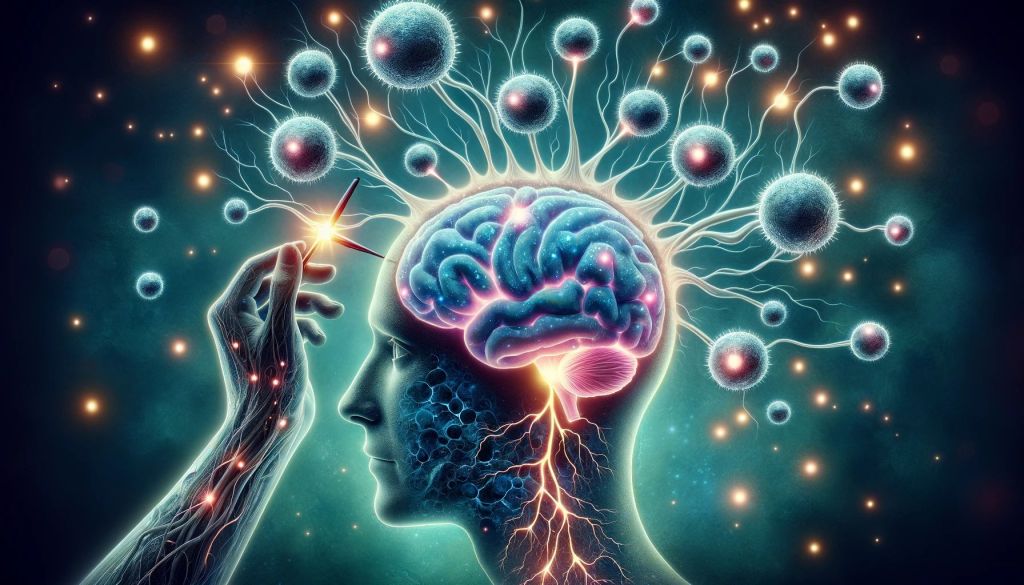
Introduction
Depression stands as a colossus in the landscape of mental health challenges, casting long shadows over millions worldwide. While existing treatments such as pharmaceuticals and psychological therapies provide relief for many, they often fall short for a significant minority. This gap in effective treatment options has propelled the exploration of innovative therapies, with mesenchymal stem cell (MSC) therapy emerging as a particularly promising frontier. This new approach not only offers hope but also embodies the cutting-edge of scientific advancement in the battle against chronic depression.
Understanding Mesenchymal Stem Cell Therapy
Mesenchymal stem cells (MSCs) are a powerhouse of regenerative medicine, capable of differentiating into a diverse array of cell types including bone, cartilage, and muscle cells. Found in numerous tissues such as bone marrow, fat, and umbilical cords, MSCs are prized not only for their ability to repair physical damage but also for their anti-inflammatory and immunomodulatory effects. These properties make MSCs an intriguing candidate for treating complex disorders, including depression, where inflammation and cellular dysfunction play critical roles.
The Science Behind MSC Therapy for Depression
The rationale for using MSC therapy in depression treatment hinges on its potential to address key pathological aspects of the disorder. Neuroregeneration, one of the foremost mechanisms of MSC action, involves the repair and regeneration of damaged nerve tissues, potentially reversing the detrimental effects depression has on the brain. Moreover, MSCs exert robust anti-inflammatory effects that could mitigate the heightened inflammatory state often associated with depression. Lastly, MSC therapy promotes neuroplasticity, enhancing the brain’s ability to form new neural connections, thus potentially restoring normal function and improving mood and cognitive deficits commonly found in depressed individuals.
Neuroregeneration
Neuroregeneration is a critical aspect of MSC therapy, where these cells aid in repairing and regenerating damaged neurons. Depression often results in the loss of neuronal connectivity and function, particularly in areas like the hippocampus, which is crucial for memory and emotional regulation. MSCs release growth factors such as brain-derived neurotrophic factor (BDNF) and nerve growth factor (NGF), which promote the survival and growth of neurons, facilitating recovery from the structural damage caused by depression .
Anti-inflammatory Effects
Inflammation has been increasingly recognized as a key player in the pathology of depression. Elevated levels of pro-inflammatory cytokines have been observed in patients with depression, contributing to symptoms and resistance to traditional treatments. MSCs have potent anti-inflammatory properties, capable of secreting molecules like interleukin-10 (IL-10) and transforming growth factor-beta (TGF-β), which suppress inflammatory responses and help restore a balanced immune environment. This reduction in inflammation can alleviate depressive symptoms and improve overall brain health .
Enhancing Neuroplasticity
Neuroplasticity, the brain’s ability to reorganize itself by forming new neural connections, is essential for adapting to new experiences and recovering from injury. Depression can severely impair neuroplasticity, leading to rigid and maladaptive neural networks. MSCs promote neuroplasticity by increasing the production of synaptic proteins and supporting the formation of new synapses. This enhancement of neuroplasticity can improve cognitive function and emotional resilience, helping patients overcome the persistent effects of depression .
Clinical Evidence Supporting MSC Therapy
The clinical investigation of MSC therapy in the context of depression is burgeoning. Early-stage clinical trials and robust preclinical studies have started to shed light on the profound impact MSCs could have on treating depressive symptoms. For instance, studies where MSCs were pre-activated in low-oxygen environments have shown these cells to be more potent in their therapeutic actions. Such enhanced MSCs exhibit improved survival rates, increased ability to migrate to injury sites, and greater efficacy in modulating immune and inflammatory pathways, all of which are critical for effective depression therapy .
Pre-activation for Enhanced Effectiveness
Pre-activation strategies, such as culturing MSCs in hypoxic (low-oxygen) environments, have shown to significantly enhance their therapeutic potential. Hypoxic pre-activation increases the expression of hypoxia-inducible factor 1-alpha (HIF-1α), which enhances MSC survival, migration, and anti-inflammatory effects. Studies have demonstrated that hypoxia-pre-activated MSCs are more effective in treating conditions like pulmonary fibrosis and myocardial infarction, indicating their potential for enhanced efficacy in depression therapy as well [❞] [❞].
The Future of MSC Therapy in Depression Treatment
As research continues to evolve, MSC therapy is poised to redefine the therapeutic landscape for depression. Its potential to serve as a supplementary treatment to conventional methods could offer a lifeline to those for whom standard treatments are ineffectual. Furthermore, the ongoing refinement of MSC application methods, such as optimizing pre-activation conditions and delivery techniques, promises to maximize the therapeutic outcomes and usher in an era of personalized medicine in mental health care.
Integration with Conventional Treatments
The integration of MSC therapy with conventional treatments like antidepressants and psychotherapy could lead to synergistic effects, enhancing overall treatment outcomes. By addressing both the neurochemical and structural aspects of depression, this combined approach may offer more comprehensive relief from symptoms and improve quality of life for patients. Ongoing research is exploring the best protocols for combining these therapies, aiming to develop standardized treatment regimens that maximize benefits while minimizing risks .
Personalized Medicine
The future of MSC therapy lies in personalized medicine, where treatments are tailored to the individual needs of each patient. By understanding the unique genetic, biochemical, and psychological profiles of patients, healthcare providers can optimize MSC therapy to target specific pathways involved in their depression. This personalized approach promises greater efficacy and fewer side effects, marking a significant advancement in mental health care .
Conclusion
Mesenchymal stem cell therapy stands at the vanguard of a new era in the treatment of depression, promising to fill a crucial gap in current therapeutic practices. Its ability to regenerate, modulate immune responses, and restore normal brain functions offers more than mere symptom relief—it offers a potential cure. For many suffering in the shadows of depression, MSC therapy represents a beacon of hope, shining a light on the possibility of not just managing but overcoming this debilitating condition.
Encouraging Participation and Ongoing Research
Engagement with ongoing MSC therapy research is essential for those affected by depression. Participating in clinical trials not only contributes to the advancement of science but also provides access to cutting-edge treatments that could offer significant benefits. As the body of evidence grows, the promise of MSC therapy continues to unfold, bringing us closer to a future where depression can be effectively and comprehensively treated.
How to Get Involved
Patients interested in exploring MSC therapy should consult their healthcare providers and consider participating in clinical trials. These trials are crucial for validating the safety and efficacy of MSC treatments and for optimizing protocols to ensure the best outcomes. By contributing to this research, patients can help pave the way for innovative treatments that could transform the landscape of mental health care.
Supporting Further Research
Supporting ongoing research into MSC therapy is vital for its continued development. Funding and advocacy efforts can help accelerate the pace of discovery, bringing new treatments to market faster and providing hope for millions of people worldwide. Organizations and individuals can contribute by raising awareness, donating to research initiatives, and advocating for policies that support mental health innovation.
References
- Frontiers in Neurology (2023). Systematic Review on Mesenchymal Stem Cell Therapy for Neurological Disorders.
- Stem Cell Research & Therapy (2023). Pre-activation Strategies for Enhancing MSC Therapeutic Efficacy.
- Journal of Neuroinflammation (2023). Anti-inflammatory Mechanisms of MSCs in Treating Depression.
- Translational Psychiatry (2022). Mesenchymal Stem Cells and Neuroregeneration in Depression.
- Molecular Psychiatry (2022). The Role of MSCs in Neuroplasticity and Synaptic Repair.
- Journal of Cellular and Molecular Medicine (2021). Hypoxic Preconditioning Enhances MSC Therapy.
- Experimental and Molecular Medicine (2021). Improving MSC Efficacy through Hypoxic Pre-activation.
- Neurotherapeutics (2020). Integrative Approaches Combining MSC Therapy and Antidepressants.
- Biological Psychiatry (2020). Synergistic Effects of MSCs and Psychotherapy.
- Personalized Medicine (2019). Tailoring MSC Therapy for Individual Patients with Depression.
 Dr Teoh - Family Medicine Specialist, Stem Cell & Immune Therapy