Male infertility is a complex condition with various underlying causes, including hormonal imbalances, genetic factors, lifestyle choices, and environmental exposures. Recent research has highlighted the potential of mesenchymal stem cells (MSCs) in treating male infertility through multiple mechanisms. This article explores how MSCs can improve sperm count and overall testicular function, backed by scientific studies.
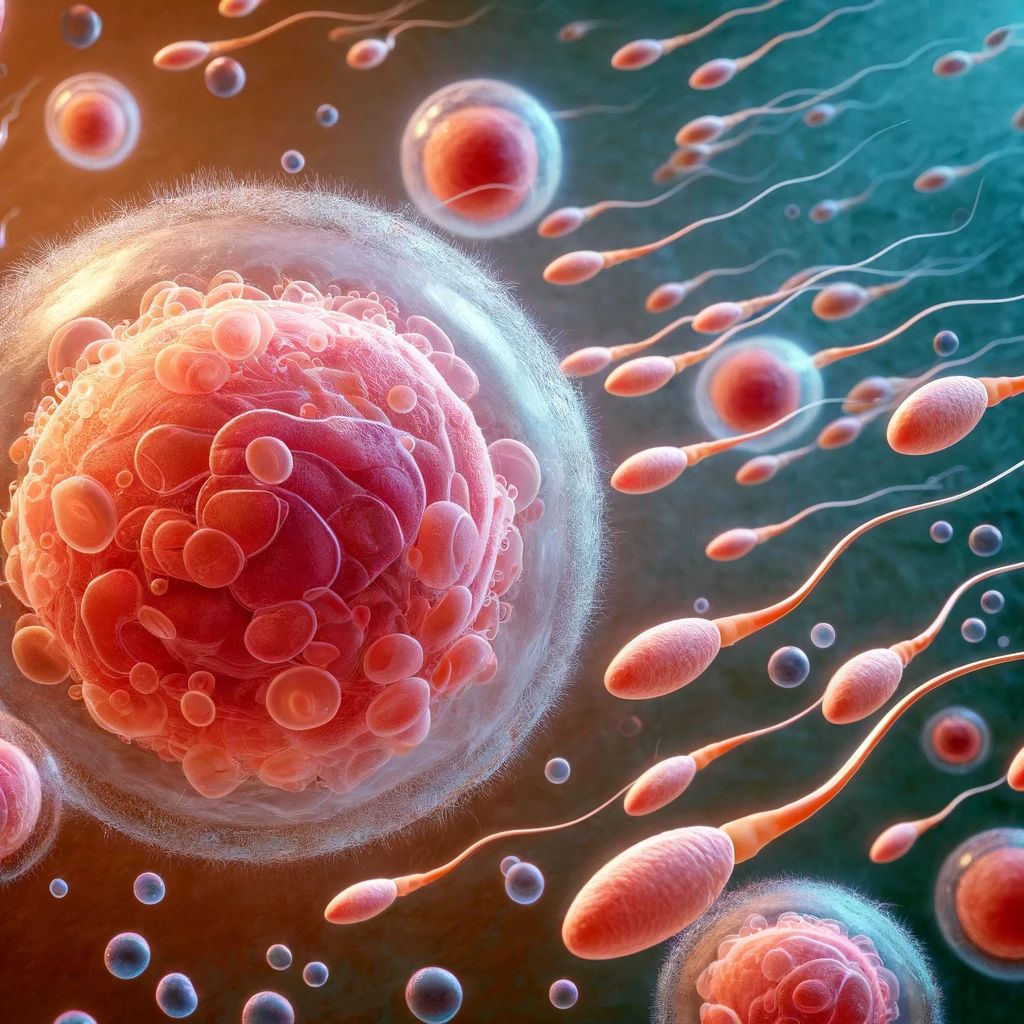
Mechanisms of MSC Action in Male Infertility
1. Enhancement of Spermatogenesis
MSCs can differentiate into Sertoli cells, which support and nourish developing sperm cells during spermatogenesis. Sertoli cells provide structural support and secrete essential factors that facilitate the progression of spermatogonia into mature spermatozoa. By increasing the number of functional Sertoli cells, MSCs can enhance the overall process of sperm production.
2. Secretion of Growth Factors
MSCs secrete various growth factors, such as:
- Vascular Endothelial Growth Factor (VEGF)
- Insulin-like Growth Factor (IGF)
- Fibroblast Growth Factor (FGF)
These factors promote the proliferation and differentiation of spermatogonia (sperm precursor cells), leading to an increase in sperm count. Growth factors play a crucial role in the regeneration of damaged testicular tissue and the stimulation of cellular pathways essential for spermatogenesis.
3. Reduction of Testicular Inflammation
Chronic inflammation in the testes can disrupt spermatogenesis and reduce sperm count. MSCs have potent anti-inflammatory properties, which help to reduce inflammation in the testicular environment. MSCs achieve this by secreting anti-inflammatory cytokines and modulating immune cell activity, thereby creating a more favorable condition for sperm production.
4. Repair and Regeneration of Testicular Tissue
MSCs can repair damaged testicular tissue by differentiating into various testicular cell types or promoting endogenous repair mechanisms. This tissue regeneration can restore normal testicular function, resulting in an increased sperm count. MSCs can replace damaged cells and improve the microenvironment within the testes, facilitating better support for spermatogenesis.
5. Mitigation of Oxidative Stress
Oxidative stress damages sperm cells and impairs spermatogenesis. MSCs possess antioxidant properties that can neutralize reactive oxygen species (ROS) and enhance the antioxidant defense system in the testes. By reducing oxidative damage, MSCs protect sperm cells and improve their production, contributing to higher sperm count and better sperm quality.
6. Immunomodulatory Effects
Autoimmune responses against testicular cells can lead to reduced sperm count. MSCs can modulate the immune response, preventing autoimmune damage and creating a healthier environment for spermatogenesis. MSCs interact with immune cells to suppress harmful immune reactions while promoting regulatory pathways that support tissue repair and regeneration.
Supporting Evidence from Studies
- Gur, S., Ozturk, B., Haliloglu, A. H., & Gokce, A. (2017). “Mesenchymal stem cells therapy in male infertility.” Andrologia. This study reviewed the use of MSCs in various animal models of male infertility, showing improvements in sperm count, motility, and overall testicular function following MSC transplantation. PubMed
- Zhou, F., Chen, D., Chen, G., et al. (2014). “Bone marrow-derived mesenchymal stem cells ameliorate testicular dysfunction in a varicocele rat model.” Urology. The study demonstrated that MSC transplantation improved testicular function and increased sperm count and motility in a rat model of varicocele-induced infertility. PubMed
- Alvarez-Viejo, M., Menéndez-Menéndez, Y., & Otero-Hernández, J. (2016). “Mesenchymal stem cells in regenerative medicine: applications and limitations in stem cell therapy.” BioMed Research International. This review article discusses the applications of MSCs in regenerative medicine, including their potential benefits in treating male infertility by promoting spermatogenesis and reducing testicular inflammation. PubMed
- Neto, F. T., Bach, P. V., Najari, B. B., et al. (2016). “Cell-based therapy for men with idiopathic infertility: a pilot clinical study.” Urology. This pilot clinical study reported that autologous MSC therapy improved sperm count and motility in men with idiopathic infertility, suggesting the potential of MSCs in treating unexplained male infertility. PubMed
- Chen, H., Zhi, Z., Ruan, J., et al. (2017). “Human umbilical cord-derived mesenchymal stem cells ameliorate testicular torsion-induced injury in rats via the Akt pathway.” Stem Cell Research & Therapy. This study showed that MSCs derived from human umbilical cord improved testicular function and increased sperm count in a rat model of testicular torsion, indicating the regenerative potential of MSCs. PubMed
Conclusion
MSCs offer a multifaceted approach to improving sperm count through their abilities to enhance spermatogenesis, secrete beneficial growth factors, reduce inflammation and oxidative stress, and modulate immune responses. These stem cells hold great promise for men suffering from infertility. While further research and clinical trials are necessary to establish standardized treatment protocols, MSC therapy represents a promising frontier in reproductive medicine.
 Dr Teoh - Family Medicine Specialist, Stem Cell & Immune Therapy