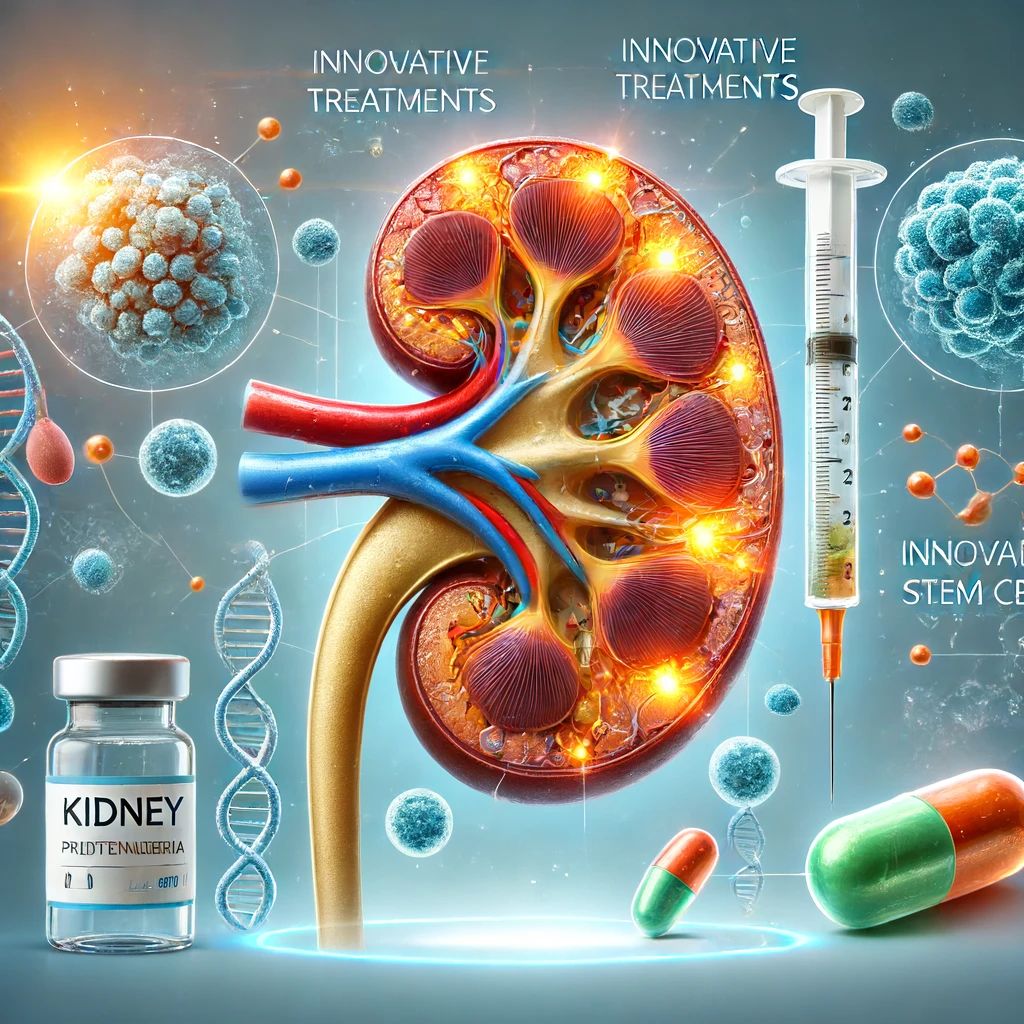
Proteinuria, the presence of excess proteins in urine, is more than just a laboratory finding. It is a significant indicator of kidney damage and a predictor of renal disease progression. Often associated with conditions such as diabetes, hypertension, and glomerulonephritis, proteinuria, if left untreated, can lead to chronic kidney disease (CKD) and eventually end-stage renal failure. This article explores the clinical implications of proteinuria, current treatment options, and the promising role of mesenchymal stem cell (MSC) therapy.
Clinical Implications of Proteinuria
Proteinuria is typically identified through routine urine tests, where the presence of excess proteins like albumin is detected. This condition indicates that the kidneys’ filtering units, the glomeruli, are damaged. The clinical implications of proteinuria are profound:
- Progression of Kidney Disease: Persistent proteinuria is a strong predictor of chronic kidney disease and its progression to end-stage renal failure. It signifies ongoing damage and loss of kidney function, which, if not managed promptly, can severely affect a patient’s quality of life and increase the risk of dialysis or kidney transplantation.
- Cardiovascular Risk: Proteinuria is also associated with an increased risk of cardiovascular diseases. It often coexists with other risk factors such as hypertension and diabetes, compounding the overall risk. Patients with proteinuria have a higher likelihood of developing heart attacks, strokes, and other cardiovascular complications.
- Complications in Other Systems: Elevated levels of proteins in the urine can lead to complications in other body systems. One common issue is edema, which occurs due to the loss of albumin that helps maintain oncotic pressure in blood vessels. The resulting fluid imbalance can cause swelling in various parts of the body, including the legs, ankles, and around the eyes.
Current Treatments for Proteinuria
Managing proteinuria involves addressing the underlying causes and adopting therapeutic strategies to reduce protein levels in the urine. Here are the main approaches:
Medications
- ACE Inhibitors and ARBs: Angiotensin-converting enzyme (ACE) inhibitors and angiotensin II receptor blockers (ARBs) are the first line of defense. These medications help reduce blood pressure and decrease protein excretion by dilating blood vessels and reducing the pressure in the glomeruli. Related Study: Zhang, Y., Zhang, X., Feng, X., Tao, J., & Ge, S. (2016). The effects of angiotensin-converting enzyme inhibitors and angiotensin II receptor blockers on proteinuria in patients with chronic kidney disease: a systematic review and meta-analysis. PloS one, 11(9), e0162481.
- SGLT2 Inhibitors: Sodium-glucose co-transporter-2 (SGLT2) inhibitors, originally used for diabetes management, have shown promise in reducing proteinuria and slowing CKD progression. They work by decreasing glucose reabsorption in the kidneys, which in turn reduces the workload and potential damage to the glomeruli. Related Study: Heerspink, H. J. L., Stefánsson, B. V., Correa-Rotter, R., Chertow, G. M., Greene, T., Hou, F. F., & Wheeler, D. C. (2020). Dapagliflozin in patients with chronic kidney disease. New England Journal of Medicine, 383(15), 1436-1446.
Lifestyle Changes
- Diet Modifications: Reducing salt and protein intake can help lower blood pressure and decrease the amount of protein the kidneys need to filter. A balanced diet rich in fruits, vegetables, and whole grains, while low in saturated fats and processed foods, can support overall kidney health.
- Exercise: Regular physical activity helps in managing blood pressure and overall cardiovascular health, which indirectly benefits kidney health. Exercise also aids in maintaining a healthy weight, reducing the risk of diabetes and hypertension.
- Blood Pressure Control: Keeping blood pressure within the target range is crucial for minimizing further kidney damage. This often involves a combination of lifestyle changes and medications.
Monitoring
Regular monitoring through urine tests and kidney function assessments is essential for detecting any changes early and adjusting treatment plans accordingly. This proactive approach allows for timely interventions and better management of the condition.
The Role of Mesenchymal Stem Cell (MSC) Therapy
Emerging research suggests that MSC therapy holds significant promise in treating proteinuria and improving renal outcomes. MSCs possess unique anti-inflammatory and immunomodulatory properties that can provide several benefits:
Mechanisms of MSC Therapy
- Reducing Kidney Inflammation: MSCs can modulate immune responses, reducing the inflammation that contributes to kidney damage. They secrete anti-inflammatory cytokines and growth factors that help in calming the immune system. Related Study: Tögel, F., Zhang, P., Hu, Z., & Westenfelder, C. (2008). VEGF is a mediator of the renoprotective effects of multipotent marrow stromal cells in acute kidney injury. Journal of Cellular and Molecular Medicine, 13(9b), 2109-2114.
- Promoting Tissue Repair: MSCs aid in the regeneration of damaged renal tissues. They can differentiate into various cell types and promote the healing of injured kidney tissues by secreting factors that encourage cell growth and repair. Related Study: Reinders, M. E., Sho, M., Izawa, A., Wang, P., Mukhopadhyay, D., & Koss, K. E. (2010). Bone marrow-derived mesenchymal stem cells induce expression of VEGF in the ischemic kidney and may protect endothelial cell viability. American Journal of Physiology-Renal Physiology, 297(6), F1622-F1632.
- Enhancing Renal Function: By repairing damage and reducing inflammation, MSCs can help restore kidney function and reduce proteinuria levels. Related Study: Lv, S., Cheng, S., & Zhou, W. (2018). Comparison of the efficacy of conventional treatments and mesenchymal stem cell therapy for proteinuria: a meta-analysis. Stem Cell Research & Therapy, 9(1), 287.
Conclusion
Incorporating MSC therapy into treatment plans for patients with proteinuria could revolutionize the management of kidney diseases. While further research is ongoing, early results are encouraging and suggest a new frontier in nephrology.
Stay informed and proactive about kidney health. Consult your healthcare provider for tailored advice and explore the potential benefits of innovative treatments like MSC therapy.
References:
- Zhang, Y., Zhang, X., Feng, X., Tao, J., & Ge, S. (2016). The effects of angiotensin-converting enzyme inhibitors and angiotensin II receptor blockers on proteinuria in patients with chronic kidney disease: a systematic review and meta-analysis. PloS one, 11(9), e0162481.
- Heerspink, H. J. L., Stefánsson, B. V., Correa-Rotter, R., Chertow, G. M., Greene, T., Hou, F. F., & Wheeler, D. C. (2020). Dapagliflozin in patients with chronic kidney disease. New England Journal of Medicine, 383(15), 1436-1446.
- Tögel, F., Zhang, P., Hu, Z., & Westenfelder, C. (2008). VEGF is a mediator of the renoprotective effects of multipotent marrow stromal cells in acute kidney injury. Journal of Cellular and Molecular Medicine, 13(9b), 2109-2114.
- Reinders, M. E., Sho, M., Izawa, A., Wang, P., Mukhopadhyay, D., & Koss, K. E. (2010). Bone marrow-derived mesenchymal stem cells induce expression of VEGF in the ischemic kidney and may protect endothelial cell viability. American Journal of Physiology-Renal Physiology, 297(6), F1622-F1632.
- Lv, S., Cheng, S., & Zhou, W. (2018). Comparison of the efficacy of conventional treatments and mesenchymal stem cell therapy for proteinuria: a meta-analysis. Stem Cell Research & Therapy, 9(1), 287.
 Dr Teoh - Family Medicine Specialist, Stem Cell & Immune Therapy