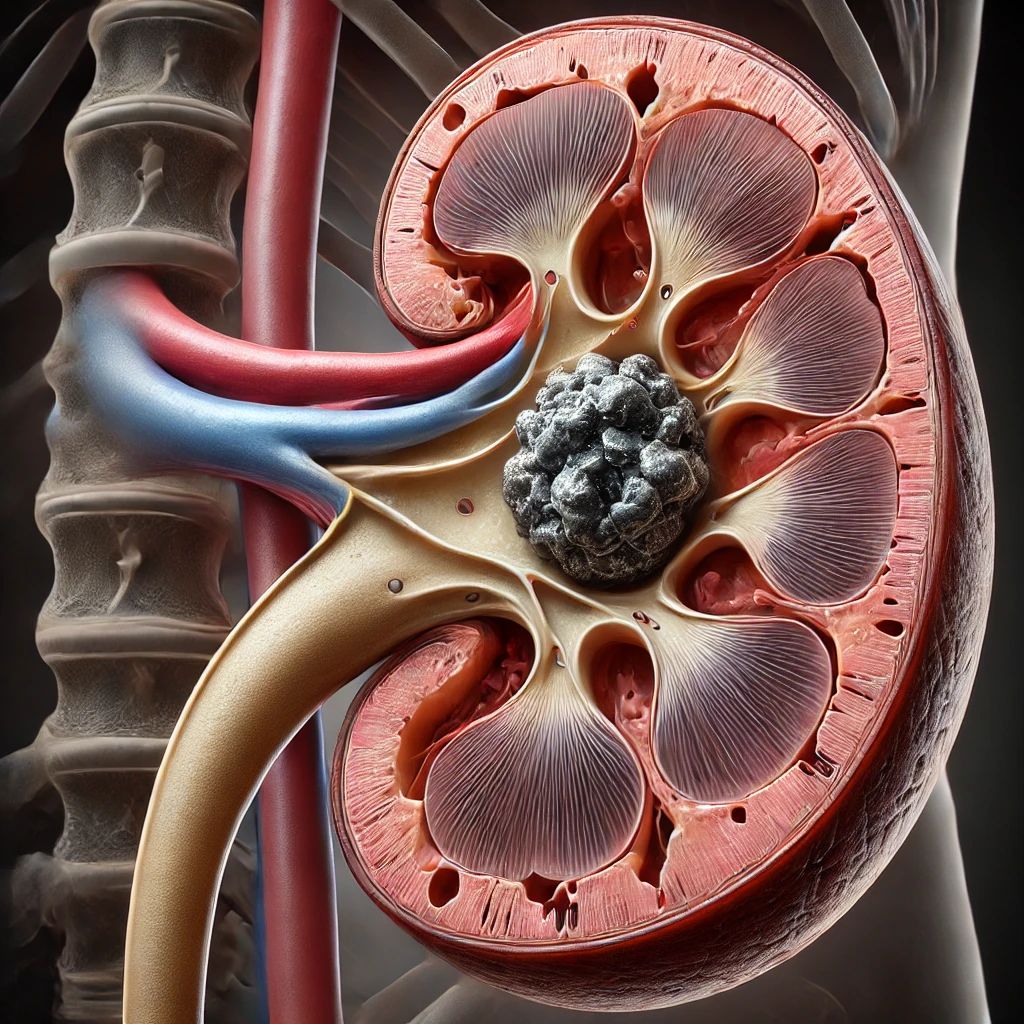
Kidney stones, medically known as nephrolithiasis, are hard deposits composed of crystallized minerals and salts that form within the kidneys. They can cause significant pain and discomfort, particularly when they obstruct the urinary tract. However, the implications of kidney stones extend beyond immediate discomfort, posing a risk for more severe kidney conditions, including chronic kidney disease (CKD).
Kidney Stones and Their Impact on Kidney Health
Kidney stones form when there is an excess of certain substances, such as calcium, oxalate, and uric acid, in the urine. High levels of uric acid (UA) are particularly noteworthy as they can significantly impact kidney health. Uric acid is a waste product that forms when the body breaks down purines, substances found in certain foods and drinks. Elevated uric acid levels can lead to the formation of uric acid stones, a type of kidney stone.
The Pain and Discomfort of Kidney Stones
When kidney stones obstruct the urinary tract, they can cause severe pain, known as renal colic, often described as one of the most intense forms of pain. Other symptoms include nausea, vomiting, fever, chills, and blood in the urine. These symptoms require prompt medical attention to alleviate pain and prevent complications.
The Link Between Kidney Stones and Chronic Kidney Disease
Research indicates that individuals with kidney stones are 1.82 times more likely to develop chronic kidney disease compared to those without a history of kidney stones. Chronic kidney disease is a long-term condition characterized by the gradual loss of kidney function. Over time, CKD can progress to end-stage renal disease (ESRD), requiring dialysis or kidney transplantation.
How Kidney Stones Lead to CKD
Kidney stones can contribute to CKD in several ways:
- Obstruction and Pressure: Kidney stones can block the flow of urine, causing pressure to build up in the kidneys. This pressure can damage the delicate structures within the kidneys, impairing their function.
- Infections: Obstructive kidney stones can lead to recurrent urinary tract infections (UTIs). Repeated infections can cause scarring and inflammation, further damaging kidney tissue.
- Inflammation: The presence of stones can induce chronic inflammation within the kidneys, leading to tissue damage and fibrosis (scarring), which impairs kidney function.
Prevention and Treatment of Kidney Stones
Preventing the formation and recurrence of kidney stones is crucial to maintaining overall kidney health and preventing the progression to CKD. Here are some strategies:
- Hydration: Drinking plenty of fluids, especially water, helps dilute the substances in urine that lead to stone formation. Aim for at least 2-3 liters of water per day.
- Dietary Modifications: Reducing intake of salt, animal protein, and foods high in oxalate (such as spinach, nuts, and chocolate) can help prevent the formation of certain types of kidney stones. Increasing dietary calcium, rather than taking supplements, can also be beneficial.
- Medications: In some cases, medications may be prescribed to prevent the formation of stones. For instance, thiazide diuretics can reduce calcium levels in urine, and medications that lower uric acid levels can prevent uric acid stones.
- Regular Monitoring: Regular follow-ups with a healthcare provider, including imaging tests and urine analysis, can help monitor for the presence of stones and ensure timely intervention if they form.
Conclusion
Kidney stones are more than a painful inconvenience; they pose a significant risk for the development of chronic kidney disease. Understanding the link between kidney stones and CKD underscores the importance of early detection, treatment, and prevention. By adopting healthy lifestyle choices and seeking appropriate medical care, individuals can safeguard their kidney health and reduce the risk of CKD.
If you have a history of kidney stones or are concerned about your kidney health, consult with a healthcare provider for personalized advice and treatment options.
References:
- National Institute of Diabetes and Digestive and Kidney Diseases (NIDDK)
- American Urological Association
- Mayo Clinic
- National Kidney Foundation
- Clinical Journal of the American Society of Nephrology (CJASN)
- Kidney International Reports
 Dr Teoh - Family Medicine Specialist, Stem Cell & Immune Therapy