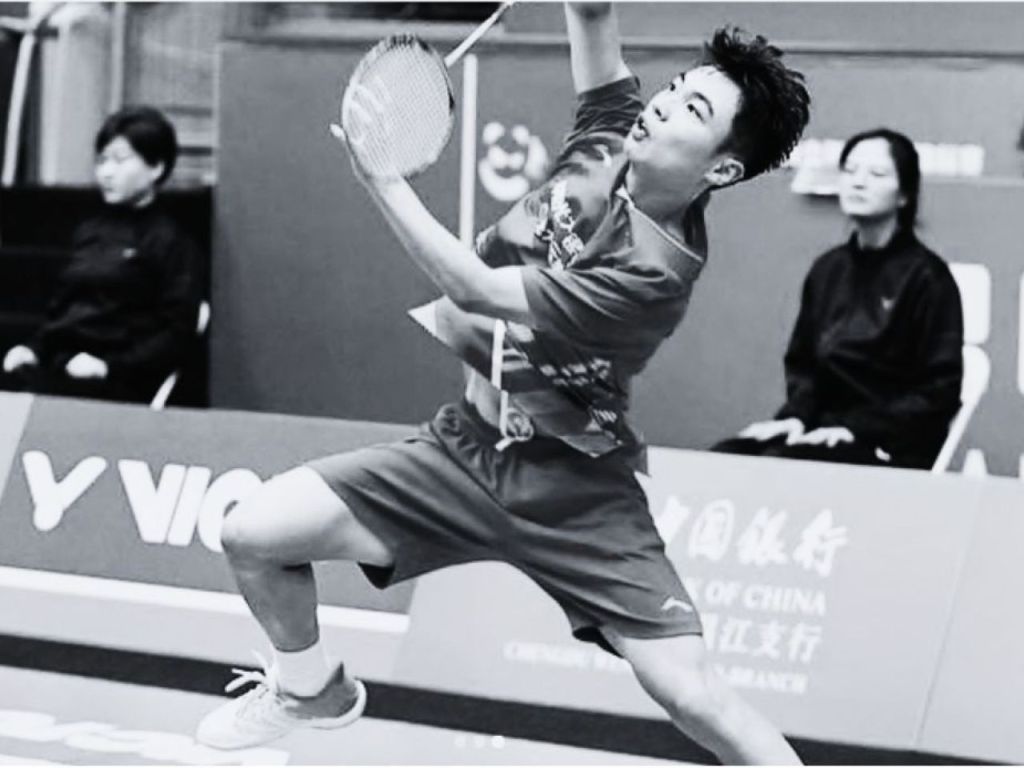
Recently, a tragic incident involving the sudden collapse and death of a 17-year-old badminton player from China during a match has garnered significant attention and discussion. As a medical professional, I would like to take this opportunity to discuss possible causes and provide some advice on screening, prevention, and precautions for the public.
While sudden death in young athletes is rare, it can happen unexpectedly and has a profound impact. There are several potential causes for such incidents:
- Cardiac Abnormalities: Conditions like hypertrophic cardiomyopathy, congenital heart defects, and coronary artery anomalies often do not present obvious symptoms but can trigger fatal arrhythmias during intense physical activity.
- Arrhythmias: Certain types of arrhythmias may become more severe during exercise, leading to cardiac arrest.
- Unexplained Sudden Death: In some cases, even with thorough examination, a clear cause cannot be determined. These are referred to as “sudden arrhythmic death syndrome” (SADS).
- Dehydration and Electrolyte Imbalance: Intense physical activity can lead to significant sweating. Without adequate hydration and electrolyte replenishment, severe imbalances can occur, potentially affecting heart function.
- Myocarditis: Inflammation of the heart muscle, often following a viral infection, can impair cardiac function during strenuous exercise.
To prevent such tragedies, the following recommendations are offered:
Regular Medical Check-ups and Cardiac Screening
- Electrocardiogram (ECG): An ECG can detect the heart’s electrical activity and help identify arrhythmias, cardiomyopathies, and other heart conditions. It is essential for athletes, especially those with a family history of heart disease or who experience symptoms like palpitations or chest pain.
- Echocardiogram (Echo): This ultrasound imaging technique provides a visual of the heart’s structure and function, aiding in the diagnosis of cardiomyopathies, congenital heart defects, and other issues.
- Exercise Stress Test: Monitoring the heart’s electrical activity during exercise can reveal potential problems that might not be apparent at rest.
- Genetic Testing: For athletes with a family history of heart disease, genetic testing can help identify inherited cardiac conditions like hypertrophic cardiomyopathy and long QT syndrome.
Understanding Personal Health
- Athletes should always be aware of their physical limits and avoid overtraining. If experiencing symptoms such as chest pain, palpitations, dizziness, or shortness of breath, they should immediately stop exercising and seek medical attention.
- Maintain Healthy Lifestyle Habits: Balanced nutrition, adequate sleep, and avoiding smoking and excessive alcohol consumption are crucial for heart health.
Maintaining Proper Hydration and Electrolyte Balance
- Ensure adequate hydration and electrolyte intake before, during, and after exercise. Drinking electrolyte-rich sports drinks can help prevent dehydration and imbalances.
- Avoid consuming high-sugar or caffeinated drinks during intense exercise, as they can exacerbate dehydration and electrolyte imbalance.
Promoting First Aid Skills
- Coaches, teammates, and parents should be trained in basic first aid skills, including cardiopulmonary resuscitation (CPR). Timely and correct emergency responses can save lives.
- Automated External Defibrillators (AEDs) should be available at sports venues. AEDs can quickly restore normal heart rhythm during sudden cardiac arrest, significantly increasing the chances of survival.
Using Cardiac Monitoring Devices
- In high-risk competitions or training sessions, using portable cardiac monitoring devices can help track athletes’ heart conditions in real-time, detecting abnormalities promptly. Some devices also record heart activity for further medical analysis.
Enhanced Pre-Participation Evaluations
- Athletes should undergo thorough health evaluations before participating in high-intensity sports or competitions. This includes checking blood pressure, heart rate, and overall physical fitness to ensure they are fit for intense physical activities.
Psychological Health Support
- Managing psychological stress is also vital for heart health. Athletes facing intense competition and high training demands should have access to psychological counseling and stress management resources.
Life is precious, and through our collective efforts, we can reduce the occurrence of such tragic events. Let us focus on the health of young athletes and create a safe environment for them to enjoy sports. Additionally, we call on relevant institutions and schools to enhance health management for athletes, establish comprehensive screening and emergency response systems, and ensure that every young person passionate about sports can participate safely and healthily.
 Dr Teoh - Family Medicine Specialist, Stem Cell & Immune Therapy