In recent times, there has been a surge in interest surrounding advanced therapies involving stem cells, exosomes, and secretomes. However, this increasing popularity has also brought about confusion, particularly due to misleading claims by some sellers. It’s essential to understand these concepts clearly to make informed decisions about treatments and therapies. This article aims to demystify these terms and explain their unique roles and benefits.
What Are Stem Cells?

Stem cells are the foundational cells of the body with the unique ability to develop into many different cell types, from muscle cells to brain cells. They serve as a repair system for the body, capable of dividing and creating either more stem cells or differentiated cells with a specialized function.
There are two primary types of stem cells:
Embryonic Stem Cells: These stem cells are derived from early-stage embryos and can differentiate into almost any cell type in the body, making them pluripotent. This ability gives them immense potential in regenerative medicine and research. However, their use is often surrounded by ethical considerations.
Adult Stem Cells: Also known as somatic or tissue-specific stem cells, these are found in various tissues throughout the body, such as bone marrow and adipose tissue. Unlike embryonic stem cells, adult stem cells are typically multipotent, meaning they can only develop into a limited range of cell types related to their tissue of origin. They are crucial for growth, healing, and replacing cells lost to daily wear and tear or injury.
Induced Pluripotent Stem Cells (iPSCs): These are adult cells that have been genetically reprogrammed to an embryonic stem cell-like state. They share many characteristics with embryonic stem cells, including pluripotency. iPSCs are valuable for research and potential therapeutic applications without the ethical concerns associated with embryonic stem cells.
Stem cells are pivotal in regenerative medicine because they can potentially replace damaged tissues and treat various conditions such as Parkinson’s disease, spinal cord injuries, and heart disease. Research is ongoing to harness their full potential while addressing safety and ethical considerations.
What Are Exosomes?
Exosomes are small extracellular vesicles (30-150 nanometers in diameter) released by cells, including stem cells. They play a crucial role in intercellular communication by transporting proteins, lipids, and genetic material (like RNA) between cells. This communication can influence various physiological processes, such as tissue repair, immune responses, and inflammation reduction.
Exosomes are like “message carriers” that deliver molecular instructions to target cells. Their potential in therapy comes from their ability to modulate cellular activities without the risks associated with cell-based therapies, such as immune rejection or tumor formation.
Key Features of Exosomes:
Natural Carriers: Exosomes can naturally transport therapeutic molecules to target cells. This ability makes them promising for delivering drugs, genetic material, and other therapeutic agents directly to diseased or damaged tissues.
Non-immunogenic: Exosomes are typically non-immunogenic, meaning they do not trigger an immune response, making them safe for therapeutic use. This feature is particularly beneficial in reducing the risk of adverse reactions.
Potential in Regenerative Medicine: Exosomes can promote tissue repair and regeneration without the risks associated with direct stem cell transplantation. They have shown promise in various fields, including cancer therapy, neurological diseases, and chronic inflammatory conditions.
Diagnostic Potential: Because exosomes carry molecular signatures of their cells of origin, they can serve as biomarkers for diagnosing diseases and monitoring treatment responses.
What Are Secretomes?
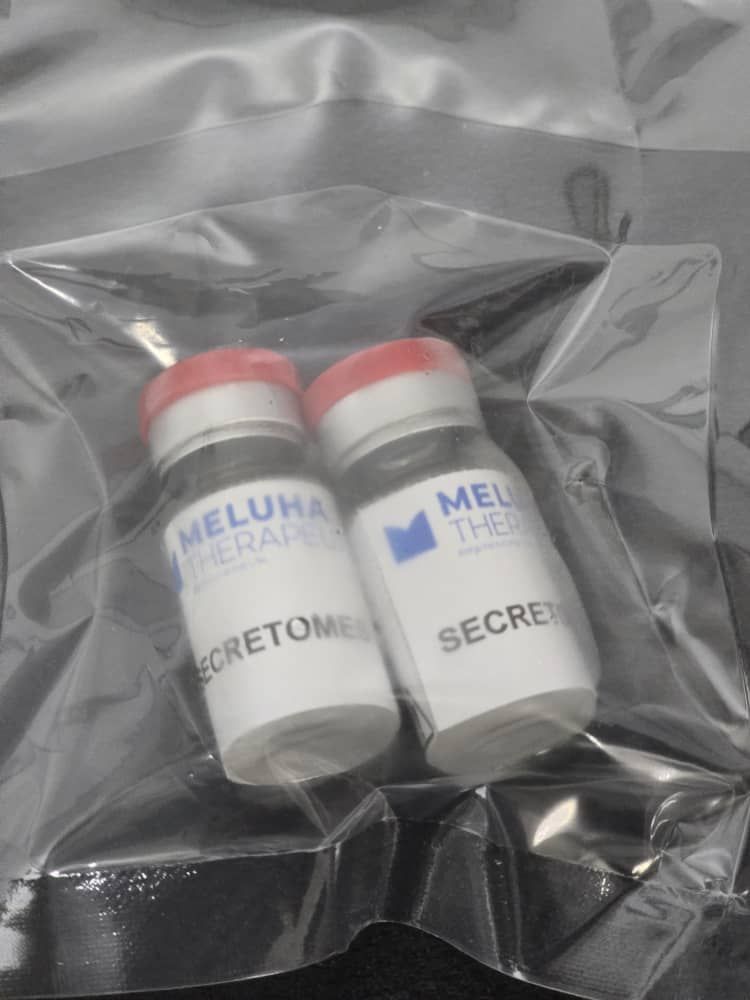
The term “secretome” refers to the entire set of molecules secreted by a cell, including proteins, lipids, nucleic acids, and vesicles like exosomes. The secretome represents the sum of all the biologically active components released by cells, particularly stem cells, which can influence the behavior of surrounding cells and tissues.
Important Aspects of Secretomes:
Complex Mixture: The secretome is a complex mixture of various growth factors, cytokines, chemokines, and extracellular vesicles, each playing a role in modulating cellular behavior and promoting healing and regeneration.
Therapeutic Potential: The secretome can be used to promote healing, modulate immune responses, and support tissue regeneration. It offers a broad range of therapeutic applications due to the diverse molecules it contains.
Broad Applications: Secretomes are used in various medical fields, including wound healing, cardiology, neurology, and orthopedics. For instance, secretome-based therapies can enhance wound healing by promoting cell migration, proliferation, and angiogenesis (formation of new blood vessels).
Reduced Risk: Unlike cell-based therapies, secretome-based treatments do not involve the direct administration of live cells, reducing the risks associated with cell transplantation, such as immune rejection and tumorigenicity.
Common Misconceptions and Buyer Beware
With the rise in popularity of these advanced therapies, some sellers are making misleading claims. A prevalent issue is the marketing of exosomes as stem cells. While exosomes are indeed derived from stem cells and carry many beneficial properties, they are not the same as stem cells. It is crucial to understand what you are purchasing and to consult healthcare professionals before proceeding with any treatment.
Misleading claims can lead to inappropriate treatments and unmet expectations. Patients need to be well-informed and cautious when considering therapies marketed as stem cell treatments. Always verify the credentials of the provider and the specifics of the product or therapy being offered.
Why Professional Advice Matters
Navigating the world of advanced therapies can be complex. Each patient’s condition and medical history are unique, and what works for one person may not be suitable for another. Professional healthcare providers can offer personalized advice and ensure that you receive treatments that are safe and effective for your specific needs.
Healthcare professionals can help interpret the latest research and clinical evidence, providing insights into the most appropriate and effective therapies. They can also monitor treatment progress and manage any potential side effects or complications.
Conclusion
Understanding the differences between stem cells, exosomes, and secretomes is essential in making informed decisions about your health. Stem cells serve as the body’s repair system, exosomes act as natural carriers of therapeutic molecules, and secretomes encompass a complex mixture of biologically active substances. Always seek advice from qualified healthcare professionals to ensure the best outcomes.
If you have any questions or need further clarification, feel free to reach out or visit our clinic. Stay informed and take care of your health!
References:
- Caplan, A. I., & Correa, D. (2011). The MSC: an injury drugstore. Cell Stem Cell, 9(1), 11-15.
- Thery, C., et al. (2009). Membrane vesicles as conveyors of immune responses. Nature Reviews Immunology, 9(8), 581-593.
- Togel, F., & Westenfelder, C. (2011). The role of multipotent marrow stromal cells (MSCs) in tissue repair. Organogenesis, 7(2), 96-100.
Stay tuned for more educational posts on advanced medical therapies and innovations.
 Dr Teoh - Family Medicine Specialist, Stem Cell & Immune Therapy