Mesenchymal stem cell (MSC) therapy has shown remarkable potential in treating complex endocrine disorders, such as hypopituitarism and secondary ovarian failure. This article presents an insightful case study of a 36-year-old woman diagnosed with hypopituitarism, secondary ovarian failure, and hypothyroidism. Following MSC therapy, the patient experienced a significant recovery in hormonal balance, offering hope for MSCs as a viable therapeutic option.
—
Understanding Hypopituitarism and Secondary Ovarian Failure
Hypopituitarism is a condition where the pituitary gland fails to produce sufficient amounts of hormones, affecting multiple body systems, including reproductive health. Secondary ovarian failure, a form of hypogonadism, occurs when the ovaries fail to produce enough estrogen due to pituitary dysfunction, leading to issues like infertility and menstrual irregularities.
The patient in this case study had been managing these conditions since 2020, using hormone replacement therapies for both estrogen and thyroid hormones. However, after receiving MSC therapy, she discontinued these treatments, and her body began to regulate these hormones naturally.
—
MSC Therapy: How It Works
MSC therapy is gaining recognition for its regenerative and immunomodulatory properties. MSCs are multipotent stem cells capable of differentiating into various cell types and promoting tissue repair. In this case, the therapy likely targeted the damaged tissues in the hypothalamic-pituitary-gonadal (HPG) axis, responsible for regulating reproductive hormones.
MSC therapy operates through several mechanisms:
1. Regeneration of Pituitary Function: MSCs may repair damaged pituitary tissue, restoring its ability to produce key hormones such as follicle-stimulating hormone (FSH) and luteinizing hormone (LH), which regulate ovarian function.
2. Modulation of the HPG Axis: By restoring communication between the hypothalamus, pituitary gland, and ovaries, MSCs help in improving estrogen production, which is critical for reproductive health.
3. Immunomodulatory Effects: MSCs possess the ability to reduce inflammation and modulate immune responses, thereby protecting the endocrine system from autoimmune attacks that could impair function.
4. Paracrine and Anti-inflammatory Effects: MSCs secrete growth factors such as TGF-β and hepatocyte growth factor (HGF), which are essential for reducing inflammation and supporting tissue regeneration.
—
Case Study: Positive Outcomes of MSC Therapy
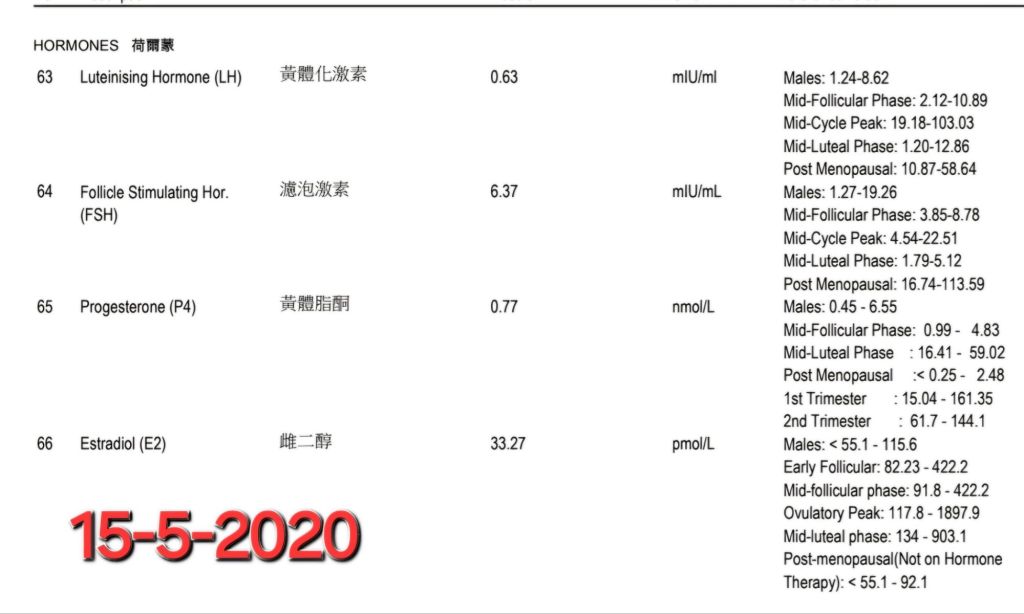
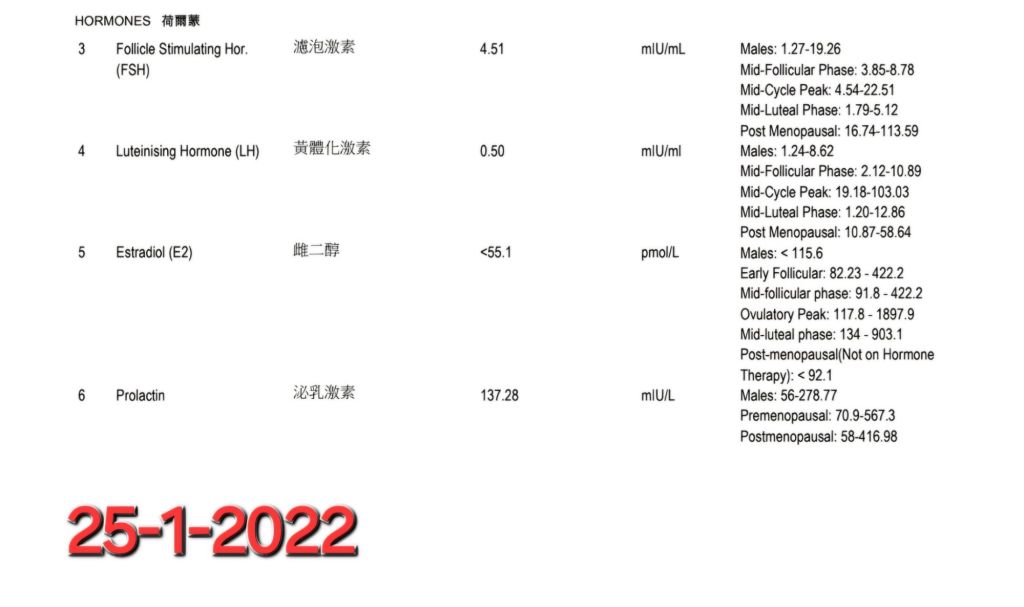
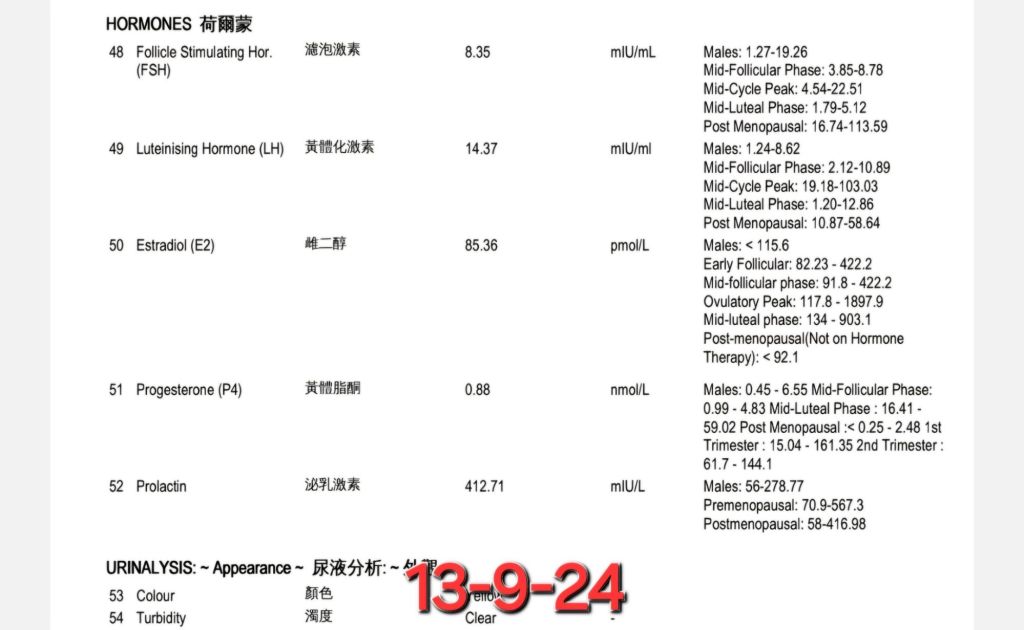
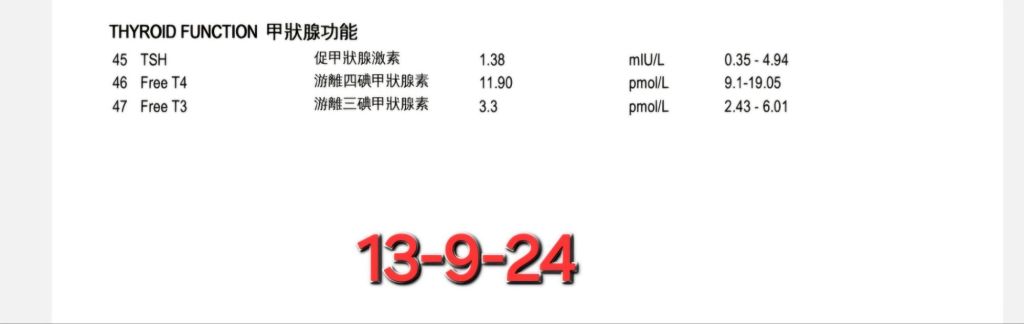
In this specific case, the patient underwent MSC therapy on 10th July 2024. Upon her follow-up examination on 13th September 2024, her estrogen levels had increased significantly, surpassing previous levels from 2020 and 2022. Additionally, her FSH and LH levels showed notable improvement, indicating enhanced pituitary and ovarian function. Most remarkably, her thyroid function (TSH, FT4, FT3) returned to normal, allowing her to discontinue thyroxine replacement.
This outcome demonstrates the effectiveness of MSC therapy in restoring hormonal balance by regenerating pituitary and ovarian tissues and improving their function.
—
Scientific Evidence Supporting MSC Therapy
Several studies have explored the potential of MSCs in regenerative medicine and their role in treating endocrine disorders:
1. Wang et al. (2014) emphasized the regenerative properties of MSCs, highlighting their capacity to differentiate into various tissue types and promote cellular repair and regeneration, particularly in hormone-producing organs like the pituitary gland and ovaries.
2. Fleseriu et al. (2019) discussed the management of hypopituitarism and underscored the need for therapies that restore pituitary function. MSCs have the potential to fill this gap by regenerating pituitary tissue and improving hormonal output.
3. Lee et al. (2021) explored the role of MSC-derived exosomes in enhancing tissue regeneration and modulating immune responses. This study supports the application of MSCs in treating conditions like hypopituitarism and ovarian failure, where tissue damage impairs hormone production.
—
Conclusion: A New Frontier in Endocrine Treatment
MSC therapy offers a promising avenue for treating complex hormonal disorders like hypopituitarism and secondary ovarian failure. By promoting tissue regeneration and modulating immune responses, MSCs can restore balance to the endocrine system, offering hope for patients suffering from these conditions.
The case study outlined above provides compelling evidence for the potential of MSC therapy in addressing hormonal imbalances and helping patients regain normal hormonal function. As more research emerges, MSCs may become a key player in the future of regenerative medicine for endocrine disorders.
—
References:
1. Wang, Y., Chen, X., Cao, W., & Shi, Y. (2014). Mesenchymal stem cells for regenerative medicine. Stem Cells Translational Medicine, 3(6), 501-509. doi:10.5966/sctm.2013-0190.
2. Fleseriu, M., Hashim, I. A., Karavitaki, N., & Melmed, S. (2019). Hypopituitarism: Diagnosis and Treatment in the Context of Hypothalamic-Pituitary Disorders. The Lancet Diabetes & Endocrinology, 7(11), 899-910. doi:10.1016/S2213-8587(19)30057-2.
3. Wang, S., Qu, X., & Zhao, R. C. (2012). Clinical applications of mesenchymal stem cells. Journal of Hematology & Oncology, 5(1), 19. doi:10.1186/1756-8722-5-19.
4. Lee, B., Kang, I., & Yu, K. R. (2021). Therapeutic Features and Updated Clinical Trials of Mesenchymal Stem Cell (MSC)-Derived Exosomes. Journal of Clinical Medicine, 10(4), 711. doi:10.3390/jcm10040711.
 Dr Teoh - Family Medicine Specialist, Stem Cell & Immune Therapy