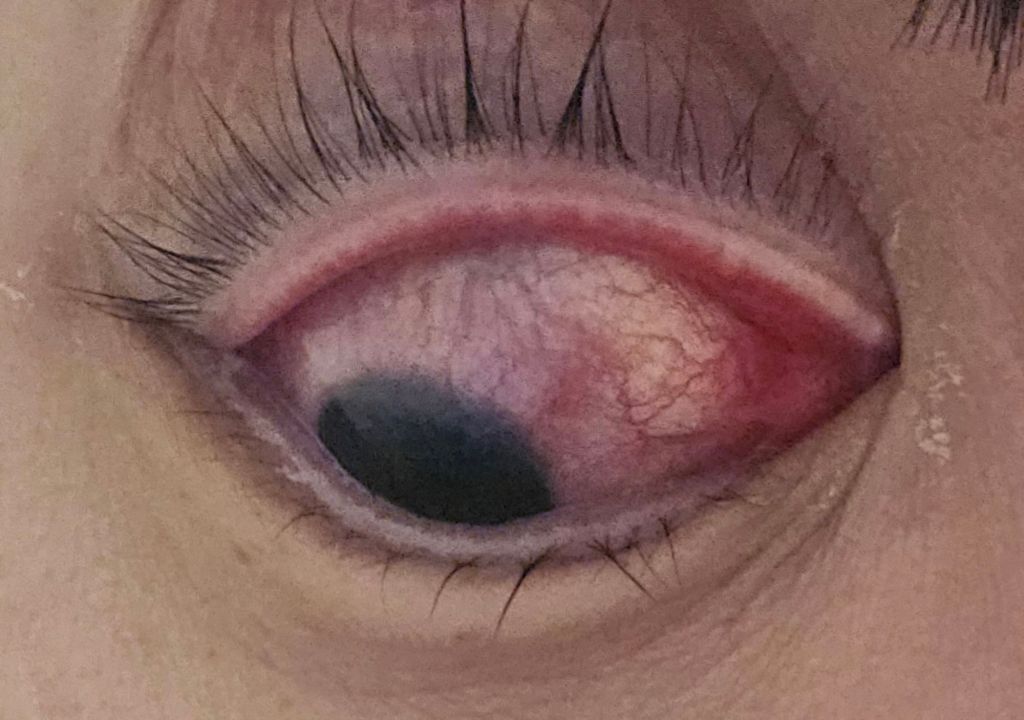
Adenoviral conjunctivitis, commonly referred to as “pink eye”, is on the rise. At our clinic, we’ve noticed a significant increase in the number of patients presenting with symptoms of this highly contagious eye condition. It spreads quickly through direct contact, shared items, or even respiratory droplets, making it a serious concern for schools, offices, and other group settings.
Here’s a detailed guide to help you understand adenoviral conjunctivitis, its symptoms, how it spreads, and how to protect yourself and your loved ones.
—
What is Adenoviral Conjunctivitis?
Adenoviral conjunctivitis is an eye infection caused by the adenovirus, which inflames the conjunctiva (the white part of the eye) and can also involve the cornea. While it is often self-limiting, some cases, such as epidemic keratoconjunctivitis (EKC), can lead to long-term complications like corneal scarring or vision problems.
There are three main forms of adenoviral conjunctivitis:
1. Follicular Conjunctivitis: Mild redness and follicle-like growths on the conjunctiva.
2. Epidemic Keratoconjunctivitis (EKC): A more severe type that may cause corneal damage.
3. Pharyngoconjunctival Fever (PCF): Often associated with fever and sore throat, particularly in children.
—
Common Symptoms
Eye redness (in one or both eyes)
Watery discharge, sometimes mixed with mucus
Itchy or gritty sensation in the eyes
Swollen eyelids
Sensitivity to light (photophobia)
In severe cases, blurred vision due to corneal involvement
—
How Does It Spread?
Adenoviral conjunctivitis is highly contagious. It spreads through:
1. Direct Contact: Touching infected eye secretions or rubbing your eyes after touching contaminated hands.
2. Shared Items: Using common towels, makeup, or contact lenses.
3. Respiratory Droplets: Sneezing or coughing by an infected person.
Children, office workers, and family members are especially vulnerable due to close contact in group settings.
—
Why Does Vision Blur in Severe Cases?
Blurred vision is a common symptom in more severe forms like EKC. This occurs due to:
Corneal infiltrates, which scatter light and impair clarity.
Disruption of the tear film, caused by inflammation or excessive discharge.
Corneal epithelial damage, resulting in surface irregularities.
In these cases, professional evaluation and treatment are essential to prevent long-term complications.
—
Preventing Adenoviral Conjunctivitis
Here are some practical steps to reduce the risk of infection:
1. Maintain Good Hand Hygiene: Wash your hands frequently with soap and water.
2. Avoid Touching Your Eyes: Especially if your hands are not clean.
3. Disinfect Shared Surfaces: Regularly clean doorknobs, keyboards, and phones.
4. Don’t Share Personal Items: Towels, makeup, and eye products should be personal.
5. Stay Home If You’re Sick: Avoid exposing others if you’re symptomatic.
—
Treatment and Recovery
There is no specific antiviral treatment for adenoviral conjunctivitis, but supportive care can help:
Artificial Tears: Relieves discomfort and helps maintain the tear film.
Cold Compresses: Reduces swelling and itching.
Removal of Pseudomembranes: In severe cases, a doctor may need to remove the membrane to prevent scarring.
For patients with blurred vision or corneal involvement, topical corticosteroids may be prescribed under close monitoring by an ophthalmologist.
—
When to See a Doctor
Seek professional care if:
Symptoms persist for more than a week.
You experience severe pain, light sensitivity, or worsening vision.
You notice significant discharge or swelling.
—
Final Thoughts
Adenoviral conjunctivitis can be uncomfortable and inconvenient, but with proper care, it often resolves without complications. Early detection and treatment are key to managing symptoms and preventing the spread of infection to others. If you or a family member develops symptoms, consult a healthcare provider promptly.
Take steps to protect your eyes and the health of those around you. Together, we can control the spread of this highly contagious condition.
—
 Dr Teoh - Family Medicine Specialist, Stem Cell & Immune Therapy